

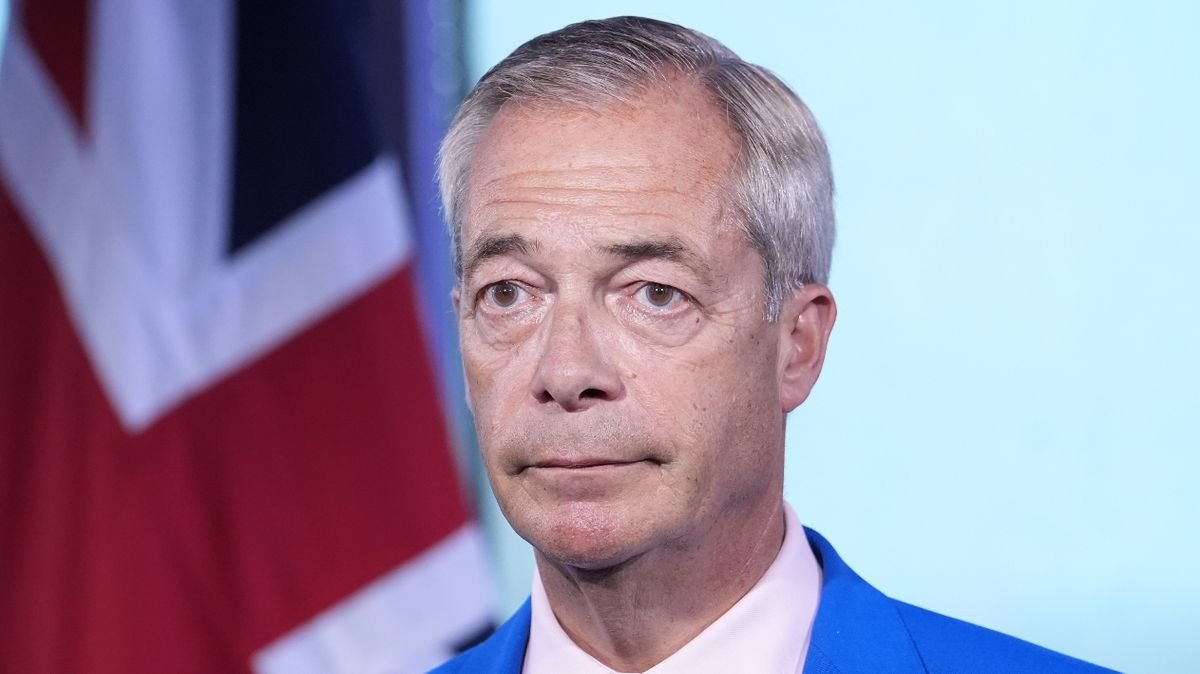
Nigel Farage faces mounting pressure as major political parties decline to participate in his planned by-election move, labeling it a mere stunt. Labour, the Conservatives, and the Liberal Democrats have all opted out of fielding candidates in the Clacton by-election triggered by Farage’s resignation, leaving satirical contender Count Binface as his sole potential rival.
The Reform UK leader’s decision to step down as a Member of Parliament, announcing a new by-election amid heightened scrutiny over his financial affairs and a parliamentary ethics probe, has drawn criticism. Defence Secretary Dan Jarvis remarked that Farage’s move appears to be a strategic maneuver to preempt the escalating concerns surrounding his acceptance of a £5 million sum.
Polling expert Professor Sir John Curtice suggested that Farage’s by-election bid might not garner the expected attention, given the reluctance of major parties to engage. Drawing parallels to past political scenarios, he implied that the outcome could be lackluster. Despite Farage’s attempt to portray the avoidance of other parties as fear, public opinion seems divided, with a YouGov survey indicating mixed reactions to his actions.
Farage’s decision to trigger a by-election in Clacton has sparked controversy, with critics questioning the necessity and motives behind the move. The absence of significant opposition from established parties has raised doubts about the impact and relevance of the upcoming electoral contest.
As the situation unfolds, reactions from various political figures reflect skepticism and criticism towards Farage’s by-election initiative. Foreign Secretary Yvette Cooper condemned the move as a self-serving act that undermines the electorate’s trust and manipulates the political process for personal gain.
In the midst of these developments, the public awaits the outcome of the Clacton by-election, which has evolved into a contentious battleground between Farage and his detractors.

