
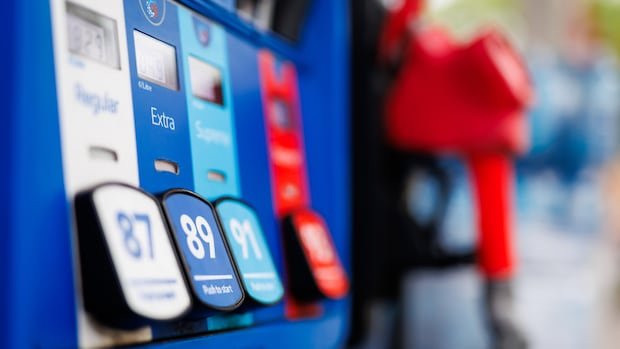
Fuel prices typically decrease at this time of year, but an industry expert suggests that drivers should not anticipate such relief this season. Patrick De Haan, the head of petroleum analysis at Gasbuddy.com, mentioned that gas prices usually drop post-Labour Day due to declining demand and the transition to cheaper winter gasoline. However, this year may not follow the usual trend.
Following the U.S. and Israel’s military actions against Iran in late February, crude prices surged, leading to a halt in tanker shipments through the Strait of Hormuz. By early summer, prices retreated but have since risen again due to attacks on oil facilities and ships in the Middle East. Brent crude, the global benchmark, reached triple digits in Wednesday trading, causing concerns about inflation.
De Haan noted that Ukrainian attacks on Russian refineries have exacerbated market pressures, indicating that Canadian motorists may face higher costs in the near future. Gasbuddy data shows that the national average for regular unleaded gasoline in Canada is slightly above $1.80 per liter, with expectations of reaching $1.82 to $1.85 soon. Diesel prices, already at record highs, may climb an additional five to 10 cents per liter.
As these price increases are passed on to consumers through transportation costs, De Haan warned of significant impacts in the coming weeks. Farmers, who rely on diesel for crop harvesting, face challenges during this critical period. Unfortunately, there are limited options to mitigate the rising diesel expenses in the current circumstances.

