
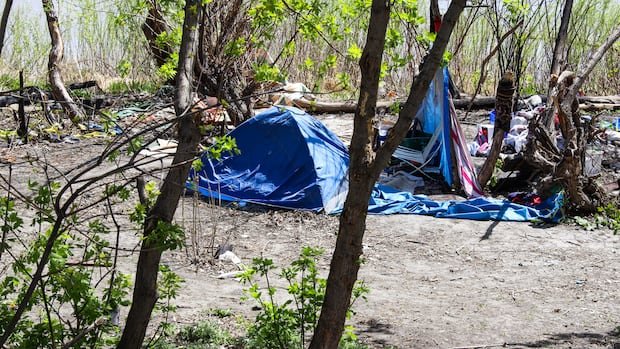
An internal memo obtained by CBC News reveals that data errors within a federal system utilized by End Homelessness Winnipeg have led to a significant overestimation of the homelessness figures in the city. The memo indicates that revised data now shows 436 individuals experiencing chronic homelessness at the end of March, a stark contrast to the previously reported 4,400. Similarly, the document states that 2,231 people were accessing homelessness services at that time, as opposed to the initial estimation of 8,200.
These discrepancies in numbers are attributed to the Homeless Individuals and Families Information System (HIFIS), a federal database used by End Homelessness Winnipeg and other organizations nationwide. The system enables the collection and sharing of real-time homelessness data to ensure timely and appropriate services for individuals and families in need.
According to the August document, the inflated figures stemmed from a misunderstanding in handling inactive cases within the system. Upon discovering the issue during a routine review in early July, the organization learned that a significant number of participant files remained open despite extended periods of inactivity.
Following clarification from the federal housing department, it was confirmed on July 9 that the system did not automatically close inactive cases after a 90-day threshold. In response, the board of directors recommended against publishing the quarterly data from the federal system at that time.
Instead, the board proposed engaging in high-level discussions with sector partners to address the limitations of current homelessness data and explore ways to enhance data collection practices. The board highlighted deficiencies in the federal system, such as the exclusion of individuals under 18 and those not accessing services or affiliated with non-participating organizations.
End Homelessness Winnipeg was directed to enhance data quality through audits and training, particularly in light of concerns like staff turnover and other data-entry issues. The organization has been collaborating with the federal housing ministry to rectify the data problems and explore alternative, user-friendly data systems for frontline workers.
Looking ahead, End Homelessness Winnipeg is gearing up for the next point-in-time count in November to gather data from emergency shelters and outreach teams. This initiative aims to provide insights into the experiences of individuals facing homelessness and identify the necessary supports for securing safe and stable housing. The organization stresses the importance of community-wide participation in the upcoming count to better address homelessness challenges effectively.

