
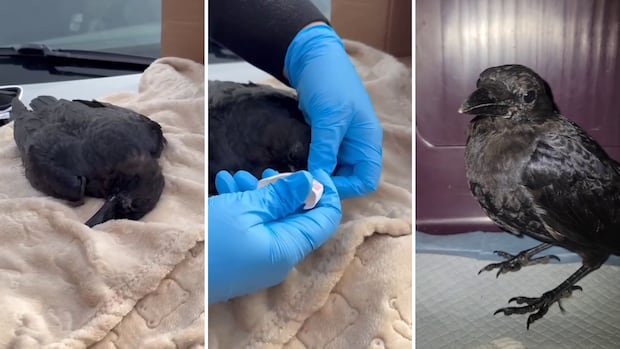
An organization dedicated to animal welfare in Prince George, B.C., has been administering nasal naloxone to crows suspected of ingesting toxic substances found in downtown areas. The Good Caws Crow Rescue Society (GCCRS) has shared videos of their volunteers providing nasal naloxone to unresponsive crows, showing the birds becoming alert and capable of flying again.
According to Dayna Slater from GCCRS, the crows they are aiding are concentrated in an area known for illicit drug use, leading to concerns and a rise in suspected drug overdoses among the birds. Slater described the distressing situation as a combination of various factors creating a troubling scenario.
The increasing number of suspected drug overdoses among crows in Prince George has been alarming, surpassing previous years’ occurrences. Symptoms observed in affected crows include closed eyes, slowed heartbeat, unresponsiveness, and the presence of brown liquid foam in their beaks.
While some crows have unfortunately perished, most have been successfully rehabilitated and released within a day of treatment. Dr. Kaitlyn Liukaitis from the Birchwood Veterinary Clinic, who has treated some of the affected crows, confirmed that the symptoms align with those of toxic drug overdoses.
The use of naloxone to reverse the symptoms in crows is not surprising, as it has become a common veterinary tool for treating various animals. The rise in drug toxicity in British Columbia has led to multiple public warnings, with Prince George experiencing a surge in overdose calls, particularly in downtown areas where crows are being impacted.
Advocates stress the importance of harm reduction measures and safe spaces for drug use to prevent harm to both humans and animals. Slater emphasized the need for covered garbage cans to prevent crows from accessing potentially harmful substances mixed in with waste materials.
The collaborative efforts of harm reduction groups and volunteers are crucial in identifying and aiding crows experiencing suspected overdoses. Slater highlighted that the issue is a reflection of broader societal challenges, emphasizing the interconnectedness between human actions and environmental impacts.

