

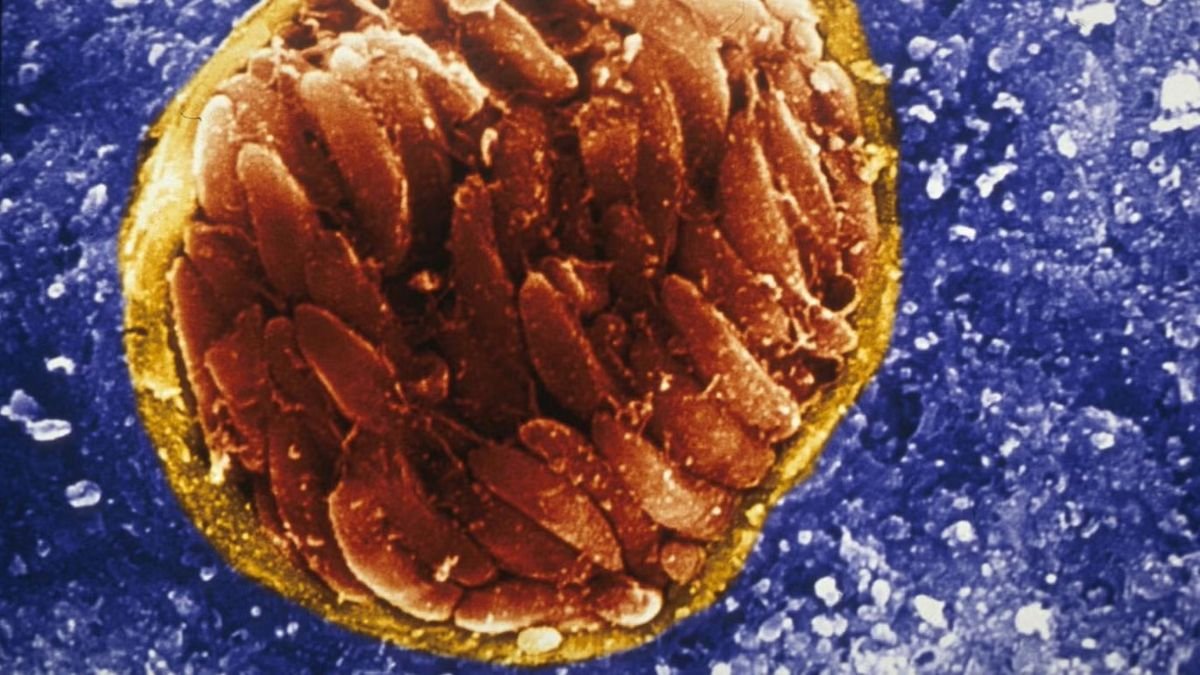
Scientists are cautioning that a common pet parasite, potentially infecting up to a third of the global population, could leave billions of individuals vulnerable to severe health repercussions. A recent collaborative study by multiple universities is advocating for greater global recognition of toxoplasma gondii as a significant threat to millions of people, despite its previous perception as having minimal health effects. This parasite, commonly known as toxo and transmitted by cats, is identified as the “top intraocular infection worldwide” and has affected billions of individuals, with most showing no symptoms, particularly if they are in good health.
The study has revealed that the parasites responsible for toxoplasmosis can also lead to a vision-damaging eye infection, prompting calls for it to be classified as a neglected tropical disease (NTD). Professor Justine Smith, the lead researcher behind the study published in the journal PLOS Neglected Tropical Diseases, emphasized that toxoplasmosis is a major cause of vision loss globally but tends to be overlooked in global health priorities.
While most people with toxoplasmosis are asymptomatic, individuals with weakened immune systems may experience flu-like symptoms. Although symptoms may resemble those of viral infections or glandular fever, such as high fever, body aches, and muscle pains, they typically resolve on their own. In some instances, the parasite can remain dormant in the body, undetected, and later trigger eye infections in both immunocompromised and healthy individuals.
Ocular toxoplasmosis manifests with symptoms like eye pain, redness, blurred vision, and floaters in the visual field. Severe cases can result in retinal inflammation and permanent blindness. The study, led by Associate Professor João Furtado from the University of São Paulo and Professor Smith from Flinders University in Adelaide, Australia, assembled experts from various continents to address the eye-damaging effects of toxoplasmosis, emphasizing the need for increased attention to this issue.
Professor Smith stressed the importance of acknowledging the eye-related consequences of toxoplasmosis, stating that enhanced awareness could lead to significant advancements in the prevention and management of this infection. Professor Furtado, the study’s co-author, emphasized that heightened recognition and appropriate measures could help public health specialists mitigate the potential impact of toxoplasmosis eye infections.
Toxoplasma gondii infections typically occur through the consumption of undercooked meat, contaminated water or produce, and exposure to cat feces. Cats themselves become infected by ingesting contaminated substances.

