

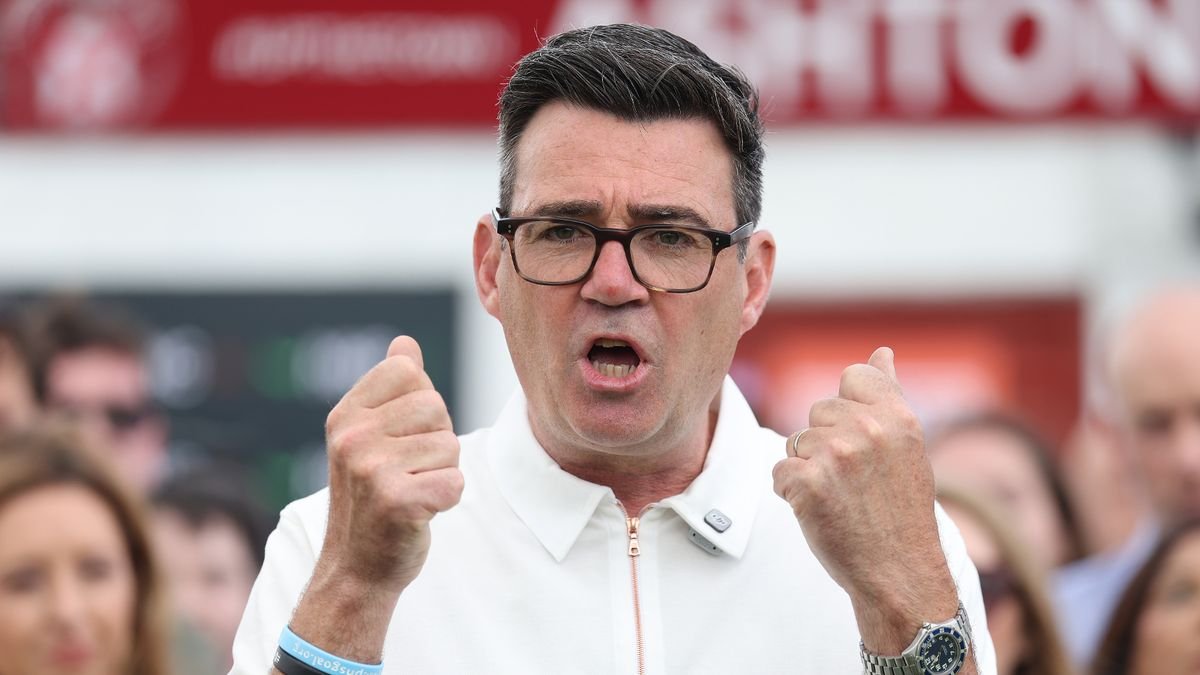
Wannabe Prime Minister Andy Burnham received a stark reminder of a major challenge he could face as the potential leader of the UK, as recent data revealed a significant increase in government borrowing last month.
Despite likely having numerous other priorities at 7 am on Friday, Burnham would eventually need to delve into the Office for National Statistics’ latest “public sector finances” report to assess the nation’s economic status.
Following his decisive victory in the Makerfield by-election, Burnham’s ability to govern effectively, should he replace Keir Starmer as Prime Minister, will heavily rely on the country’s financial health.
Government borrowing surged to £23.3 billion in May, surpassing last year’s figures by £5.4 billion and exceeding the Office for Budget Responsibility’s forecast by £5.6 billion.
A concerning portion of this borrowing, amounting to £11.7 billion, went towards servicing central government debt interest, marking a £4.1 billion increase from the previous year and setting a new record for the highest May interest payments.
The nation spent a staggering £377 million per day in May solely to manage its financial obligations, reflecting years of mounting national debt which currently stands at £2.94 trillion, inching closer to the daunting £3 trillion mark.
While some debt accumulation stems from past errors, a significant portion results from external factors such as the 2008 financial crisis and the ongoing Covid-19 pandemic, necessitating government intervention.
The incumbent government faces immediate fiscal constraints, despite any promises made while not in control of the budget, urging them to adopt strategic financial planning to navigate the economic landscape.
The outcome of the recent by-election prompted close monitoring by Number 10 and the Treasury, as market reactions to Burnham’s victory could impact the government’s borrowing through UK government bonds.
Dan Coatsworth, head of markets at AJ Bell, cautioned that while the bond markets remained relatively calm post-election, potential political uncertainties, including a leadership challenge, could unsettle investors and trigger market volatility.
The evolving political landscape in the upcoming months will carry significant economic implications, with economic recovery strategies, potential austerity measures, and tax adjustments influencing the future leadership of the country.
The economic environment will play a pivotal role in shaping the political future, determining the longevity and effectiveness of future leadership at Number 10.