

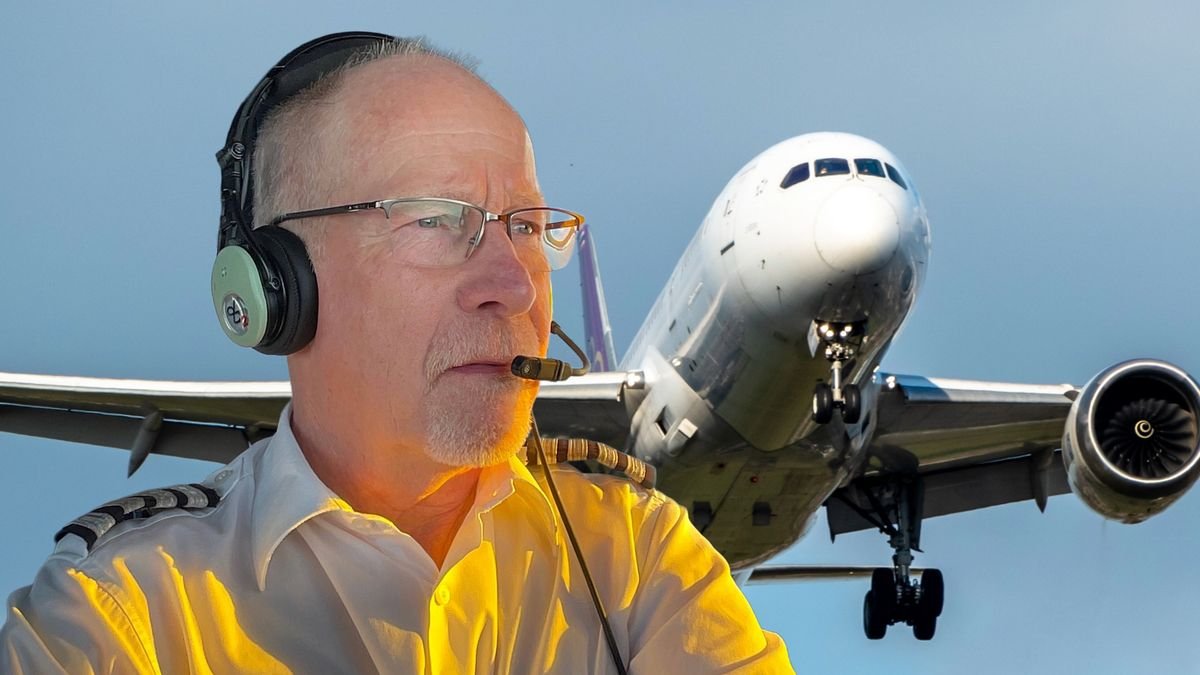
Flying can be a source of fear for many people, leading to a mix of excitement and anxiety during holidays. Aviophobia, commonly known as fear of flying, affects a significant number of individuals, often stemming from feelings of powerlessness in an unfamiliar environment. This shared experience raises common questions for those grappling with this fear.
Seeking advice from fellow passengers on platforms like Reddit or Facebook is common for nervous flyers, but direct insights from pilots remain a rare opportunity. Fortunately, I had the chance to interview Simon Tranter, a seasoned pilot with extensive experience in both military and commercial aviation. Simon, who serves as the head of training at EmPower Flight, emphasized that ticket prices do not affect safety standards in aviation. He highlighted that all airlines must adhere to stringent regulatory laws and safety measures, regardless of pricing.
Additionally, I spoke with Dan Bubb, a former commercial pilot now teaching aviation courses at the University of Nevada, Las Vegas. Dan echoed Simon’s sentiments, reassuring passengers that budget airlines maintain the same safety standards as their more expensive counterparts, emphasizing the rigorous training and standards all pilots must adhere to.
Addressing common concerns about turbulence, Simon explained that while turbulence may cause discomfort, it typically poses no significant danger to the aircraft or passengers. He emphasized the importance of fastening seatbelts during flights to prevent any potential spills due to sudden bumps.
Furthermore, Simon clarified misconceptions about opening aircraft doors mid-flight, highlighting the design and pressure dynamics that make it impossible for passengers to open doors during flight. He emphasized the safety measures in place to ensure cabin security.
In terms of emergency procedures, both Simon and Dan emphasized the extensive training undertaken by cabin crew to handle emergencies calmly and effectively, ensuring passenger safety and reassurance during challenging situations.
Moreover, Simon discussed the redundancy and safety features built into modern aircraft, highlighting the resilience of airplanes in the face of various mechanical challenges. He emphasized that even in rare scenarios like engine failures, pilots are trained to handle such situations with precision and expertise.
Regarding passenger concerns about flying through storms, Simon reassured that pilots use advanced weather radar systems to avoid severe weather conditions and explained the safety mechanisms in place in case of lightning strikes.
Lastly, Simon detailed the rigorous training process for pilots, emphasizing the comprehensive preparation and ongoing training that pilots undergo to ensure utmost safety and competence in their roles.
Overall, the insights provided by experienced pilots like Simon and Dan offer valuable reassurance to nervous flyers, shedding light on the stringent safety protocols and expertise that underpin commercial aviation.

