

A decade ago, the United Kingdom was presented with a straightforward narrative encapsulated on a bus: “Take back control.” This message extended well beyond the logistics of departing from the European Union (EU) and was touted as a national awakening. The marginalized were promised recognition, farmers were envisioned to thrive, coastal towns were expected to prosper, and small enterprises were anticipated to be freed from bureaucratic constraints.
Fast forward ten years, and the reality faced by the populace who embraced this pledge, from the farmlands of Boston to the fishing harbors of Brixham, is far from gratitude. Instead, there is a palpable frustration among communities who feel they were momentarily acknowledged only to be forgotten once the celebrations subsided.
While some argue that Brexit was subverted, the truth is that Britain did leave the EU, the Single Market, and the Customs Union. However, this departure also meant sacrificing the ease of living, working, studying, and retiring in Europe. Consequently, businesses were inundated with paperwork at borders, farmers grappled with labor shortages due to the termination of freedom of movement, and the repercussions were not acts of sabotage but rather the intended consequences of the Brexit process.
The extravagant promises peddled by figures like Nigel Farage, painting a picture of a seamless and cost-free Brexit while retaining all the benefits of EU membership, never materialized. The stark contrast between the envisioned Brexit utopia and the current reality is starkly evident in places like Boston, where the majority voted in favor of leaving the EU.
The underlying grievances that fueled the Brexit vote, such as rapid demographic changes and a sense of neglect, were real. However, the solutions offered were more of a mirage than a panacea. Farmers like Chris Wray, operating multi-generational family farms, now struggle to employ their own children due to the financial strain exacerbated by the loss of EU subsidies.
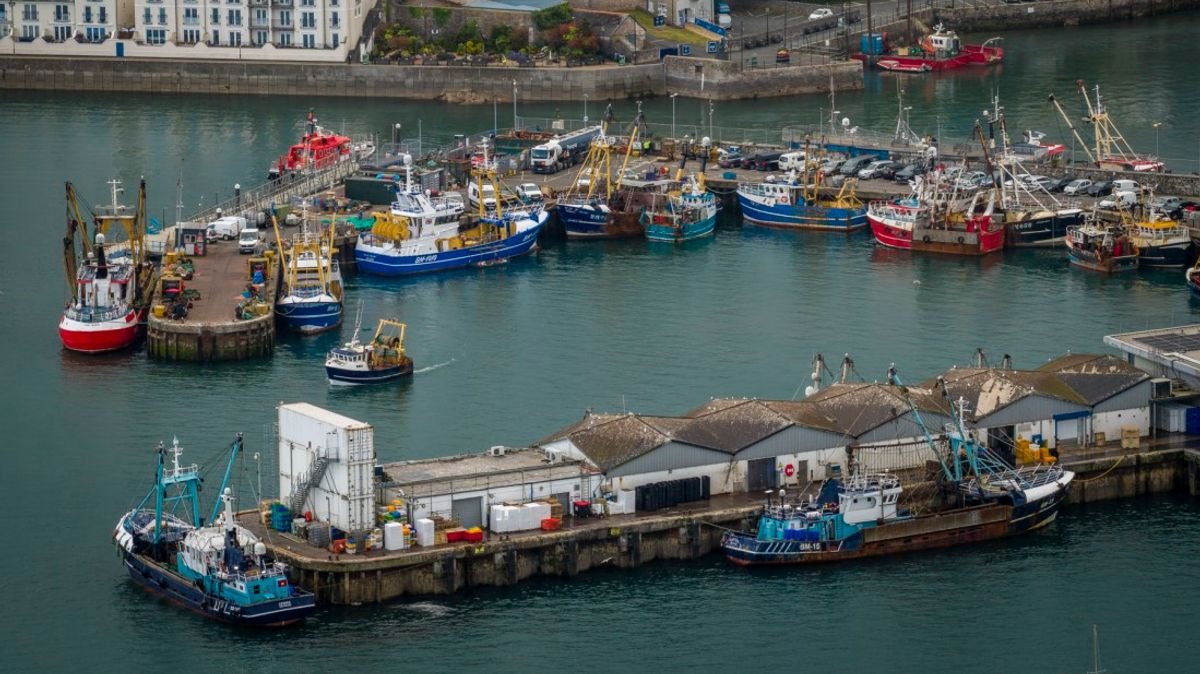
In fishing communities like Brixham, where the emotional core of the Leave campaign was centered, disillusionment runs deep. The assurances of regaining control over British waters have given way to increased bureaucracy, consolidated quotas, and extended EU access agreements that were quietly ushered in.
The anger is not directed at Brussels but at Westminster, where politicians are perceived to have exploited the trust of working-class citizens for a brief photo-op before compromising on critical issues like fishing rights. The disenchantment is palpable, and communities are left grappling with the aftermath of unfulfilled promises and misplaced expectations.
A decade later, the verdict is clear: while Britain may have taken back control, the practical implications have left many grappling with the harsh realities of post-Brexit life. The power promised has not translated into tangible benefits for those who placed their faith in the vision of a brighter future post-EU.

