

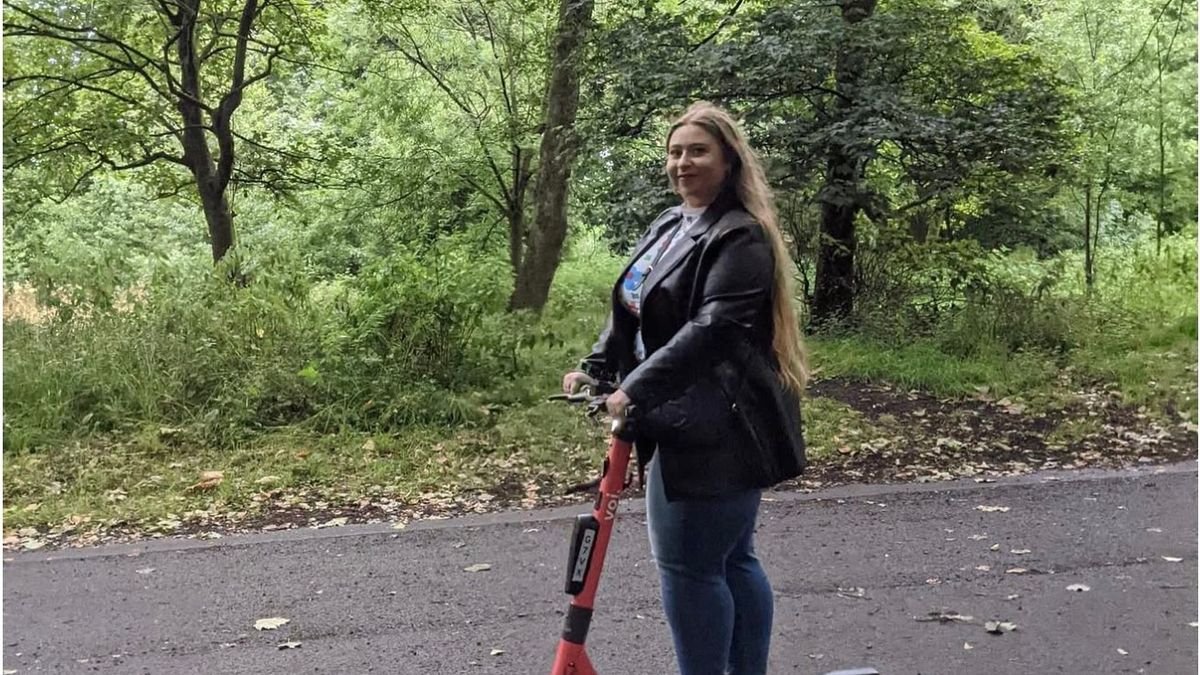
Using electric scooters may seem like a convenient way to travel for daily commutes or leisure activities, but caution is advised due to potential dangers. Personal experience has solidified this belief after a mishap during a ride on an e-scooter.
In 2021, during a weekend getaway to Liverpool, where I had studied, my fiancé and I opted for e-scooters to explore Sefton Park. What began as an enjoyable city tour took a dangerous turn when my e-scooter malfunctioned in a semi-pedestrian area near Liverpool One, causing me to fall off.
Fortunately, I escaped with minor injuries and damaged phone protection. This incident highlighted the grave risks associated with e-scooter use, especially considering their top speed of 15.5mph and lack of adequate safety measures.
In the UK, regulations differentiate between privately owned e-scooters, which are illegal on public roads, and authorized rental e-scooters, permitted in designated areas. Despite these rules, concerns about e-scooter safety persist.
A recent survey by Tiger.co.uk revealed that 61% of Britons consider e-bikes and e-scooters excessively hazardous, with 44% advocating for a complete ban. Government data shows a significant number of e-scooter-related accidents and casualties in recent years, raising alarms about their safety.
Tragic incidents, such as the case of Jacob Calland, a teenager who lost his life in an e-scooter accident, underscore the urgent need for stricter regulations. Jacob’s mother, Carly Calland, has initiated Jacob’s Journey to educate the public about e-scooter risks and advocate for safety measures like mandatory helmet use.
To prevent further tragedies, Carly’s campaign pushes for licensing, insurance requirements, and restrictions on multiple riders per e-scooter. Until comprehensive safety measures are in place, individuals are urged to assess the risks before riding e-scooters and adhere to applicable guidelines. Visit the government website for more detailed information on e-scooter regulations.

