

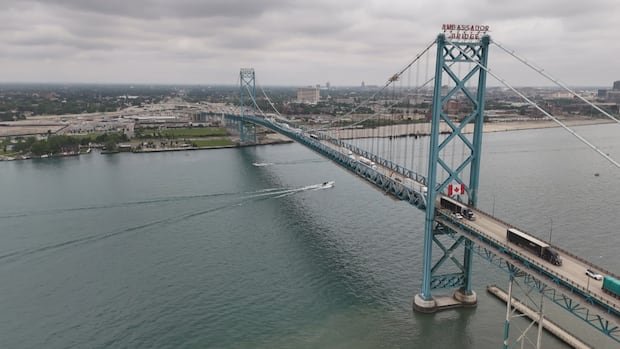
Amid growing uncertainty over the much-anticipated opening of the Gordie Howe International Bridge, the privately-owned Ambassador Bridge over the Detroit River has been actively pursuing trucking companies in a bid to retain their business, according to a representative from the industry.
Lak Shoan, the director of policy at the Ontario Trucking Association, revealed that they started receiving reports from a few members about the Ambassador Bridge’s outreach efforts in the spring.
Shoan mentioned, “It wasn’t an official communication to us. It was more of a casual mention during conversations like, ‘Have you heard about the Ambassador Bridge reaching out to more companies?’ Subsequently, more members confirmed this was happening.”

CBC Windsor reached out to several Canadian trucking companies with operations across borders to inquire if the Ambassador Bridge had proposed any toll rate deals. Those who responded declined to share details citing confidentiality agreements, while others did not provide a response.
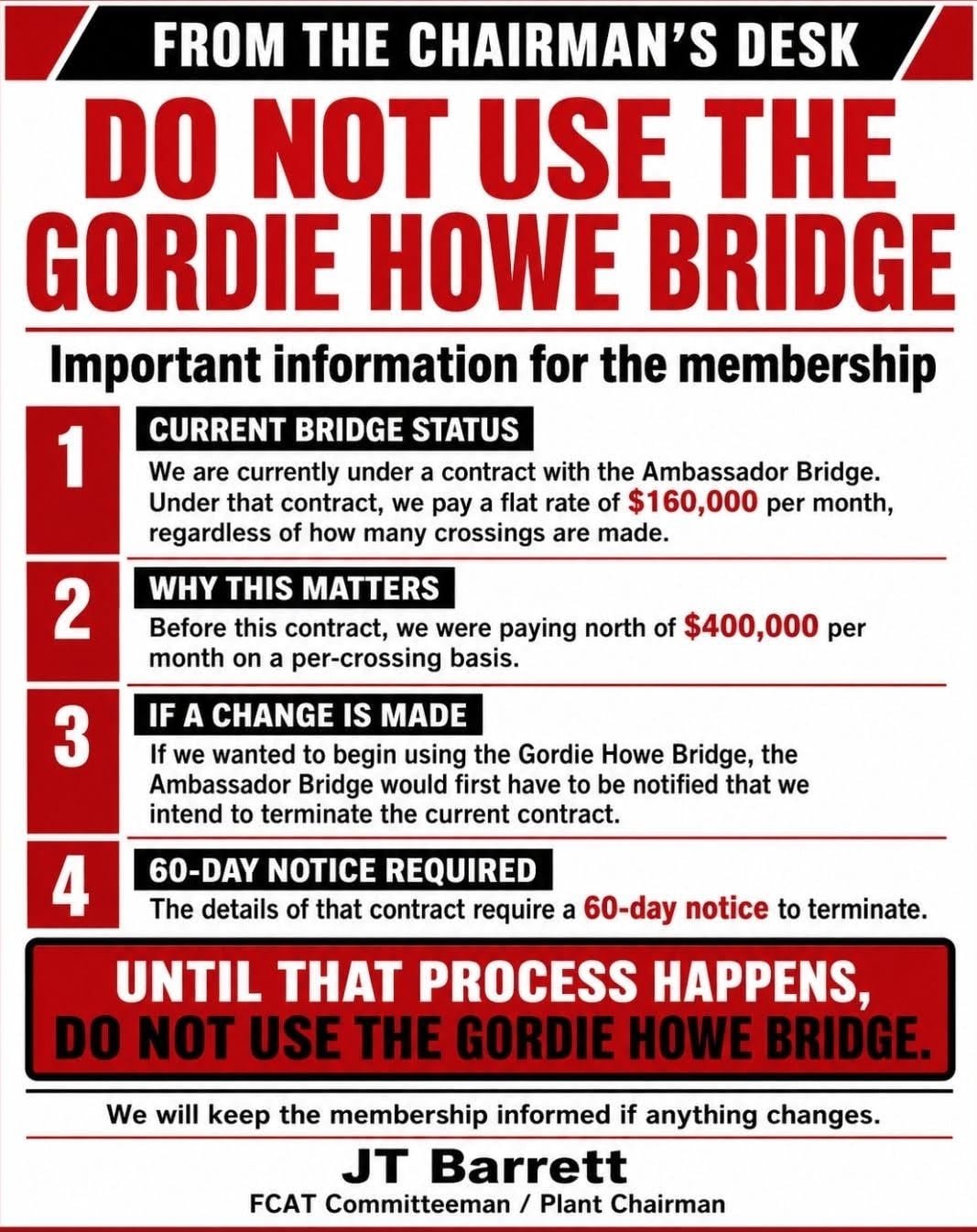
In a now-deleted post from late July, a U.S. trucking union official instructed their members not to use the newly opened publicly-owned crossing due to a contract with the Ambassador Bridge that was saving them $240,000 in tolls monthly.
JT Barrett, the UAW Local 212 Chair representing FCA Transport (Stellantis) drivers, stated, “To switch to the Gordie Howe Bridge, we must first inform the Ambassador Bridge of our intent to end the existing contract.”
-
Gordie Howe bridge will cut deep into truck traffic at competing Ambassador Bridge: DHS
-
The Ambassador Bridge has lost its spot as the busiest U.S.-Canada trade corridor
Toll rates and revenue played a significant role in the prolonged political process to open the $6.4 billion Gordie Howe Bridge, entirely funded by the Canadian government. The agreement for launching the bridge includes a provision allowing the U.S. government to prevent the new bridge from reducing tolls “below the average of comparable regional crossings.”
The influential Moroun family of Michigan, owners of the Ambassador Bridge since 1979, intensified their political lobbying efforts leading to U.S. President Donald Trump’s sudden threat to block the new crossing.
Although the bridge eventually commenced operations on July 27, it followed the cancellation of a June opening at the U.S. government’s request, as per Prime Minister Mark Carney.
<figcaption class="image-caption

