
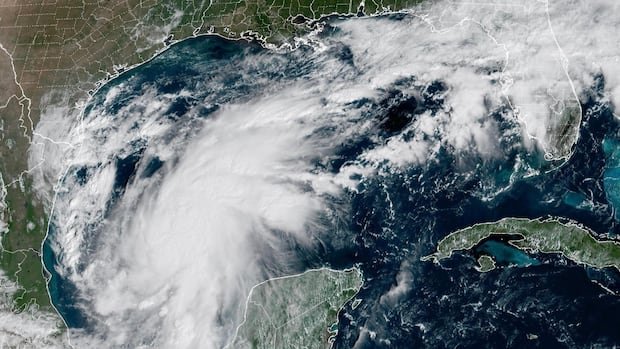
Tropical Storm Isaias developed on Wednesday in the warm waters near eastern Mexico, with meteorologists anticipating it to intensify rapidly into the first hurricane of the Atlantic season before hitting the U.S. Gulf Coast later in the week. Communities in the potential path of Isaias took swift measures to prepare, with landfall expected as early as Friday evening. Some Gulf oil wells ceased production, and an Alabama beach town canceled a popular weekend festival that usually attracts thousands of tourists. Florida’s governor declared a state of emergency for over one-third of the state’s counties.
Michael Brennan, the director of the U.S. National Hurricane Center, mentioned that Isaias could escalate into a significant Category 3 hurricane, with winds reaching 178 km/h or higher, before making landfall. He emphasized the likelihood of multiple hazardous and life-threatening impacts along portions of the northern Gulf Coast starting Friday and extending through the weekend.
The storm was on course to either tie or surpass a 121-year-old record as the latest initial hurricane arrival of the Atlantic season. The record dates back to 1905 when the first Atlantic hurricane of the year formed on October 8. The Atlantic hurricane season has been unusually calm this year due to a strong El Niño effect disrupting storm formation in that region, while storm activity in the Pacific has been above average.
The U.S. National Weather Service’s Miami-based hurricane center issued a hurricane watch for the northern Gulf Coast from Bay St. Louis, Mississippi, to Indian Pass on the Florida Panhandle, signaling the potential for hurricane conditions within the next 48 hours. Brennan warned of a dangerous storm surge that could affect an extensive area from southeast Louisiana to Florida’s Big Bend, alongside heavy rainfall that might lead to flash flooding near the coast and inland areas like Tennessee and the western Carolinas.
Isaias was located about 410 kilometers northwest of Progreso, Mexico, and approximately 840 kilometers southwest of the mouth of the Mississippi River, with sustained winds of 85 km/h and moving east-northeast at 13 km/h. Forecasters anticipated Isaias to transform into a hurricane by Thursday as it veers northward towards the U.S. Gulf Coast, with a projected landfall late Friday or early Saturday, subject to potential path and timing adjustments.
In anticipation of the storm, oil and gas companies shut down a significant portion of offshore production in the Gulf, which contributes nearly 15% of the total U.S. annual crude oil production. As of Wednesday, about 25% of oil production in the region had been temporarily halted, amounting to approximately 511,000 barrels per day, with eight manned oil platforms evacuated out of the Gulf’s 371.
Due to the storm threat, the National Shrimp Festival in Gulf Shores, Ala., scheduled for the upcoming weekend, was canceled. Last year, the festival attracted around 325,000 attendees. Florida Governor Ron DeSantis declared a state of emergency for 25 counties in the Panhandle and Big Bend regions, activating the state’s hurricane emergency management plan to facilitate the deployment of disaster response teams and resources. In Pensacola, preparations were underway to address potential power outages, with city officials distributing sandbags to residents to protect their homes from flooding.

