
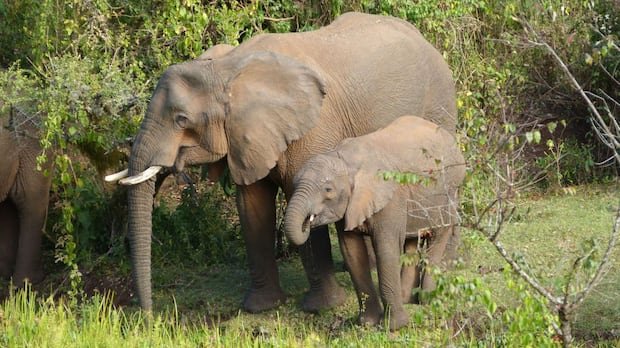
In an interview with scientist Elodie Freymann, astonishing accounts emerge about African elephants in Kenya’s Mount Elgon region utilizing medicinal plants for self-medication. The elephants’ behaviors, as reported by local wildlife scouts and community members, include consuming bark and mixing medicinal plants with milk to feed their young.
Freymann, delving into the complexities of elephant societies, expressed little surprise at the discoveries, emphasizing the intelligence and sophistication of these animals. A recent study co-authored by Freymann, published in the journal Nature, highlights the diverse array of medicinal plants elephants in Mount Elgon are known to use, underscoring the necessity of safeguarding the biodiversity crucial to their well-being.
Based on insights gathered from interviews with long-time residents and elephant experts within the Sabaot community, the study identifies 35 plant species, with the majority having known medicinal properties. While this local knowledge provides valuable leads, experts like elephant ecologist Chase LaDue stress the need for further research to definitively prove intentional self-medication among elephants.
Despite the anecdotal evidence pointing towards elephants selectively ingesting medicinal plants, more concrete data is required to validate these observations. Moving forward, the research team plans to use camera footage to capture elephants in the act of consuming these plants, marking the initial phase of a more in-depth investigation.
This study, though a promising starting point, prompts a broader discussion on the significance of preserving biodiversity to ensure animals like elephants have access to essential medicinal resources amid changing environmental conditions.

