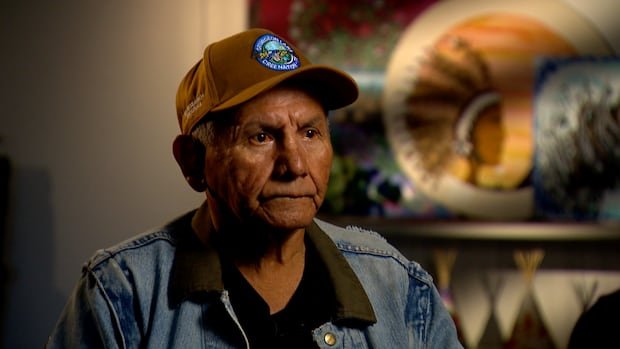
Johnny Kiyawasew passed away at the age of 11 in a small town hospital in northern Alberta in 1943, far from his Sturgeon Lake Cree Nation family. He was taken to the Catholic-run St. Francis Xavier Residential School in Calais, Alta., and never returned home, leaving his family in the dark about his fate for many years. Robert Kiyawasew, Johnny’s younger brother, expressed frustration at the lack of communication from the church regarding Johnny’s death.
After a lengthy search, Johnny’s gravesite was discovered in 2013 by his sister Roseann with the help of a private investigator. Records indicate that Johnny died from pulmonary tuberculosis at a hospital in High Prairie, where he was buried, a significant distance from the residential school.
Currently, the Sturgeon Lake Cree Nation and the University of Alberta are engaged in thorough research to unveil the stories of children like Johnny who attended residential schools but never returned home. Chief Sheldon Sunshine of Sturgeon Lake Cree Nation highlighted the tragic reality that many children at St. Francis Xavier succumbed to tuberculosis and malnutrition, emphasizing the human impact behind the data.
Robert Kiyawasew, grateful for finally locating his brother’s grave, visits it regularly, reflecting on the poignant loneliness of the site. As a survivor of a day school himself, Robert shared his own experiences of cultural suppression and the importance of preserving Indigenous heritage.
Research difficulties are compounded by the disorganization and unreliability of residential school records, according to Raymond Frogner, a senior director at the National Centre for Truth and Reconciliation. Access to church records is often restricted, creating obstacles for families seeking closure and understanding of their past.
Despite challenges, Sturgeon Lake Cree Nation remains committed to piecing together the stories of children who never returned from St. Francis Xavier, recognizing the importance of finding closure and addressing intergenerational trauma.