

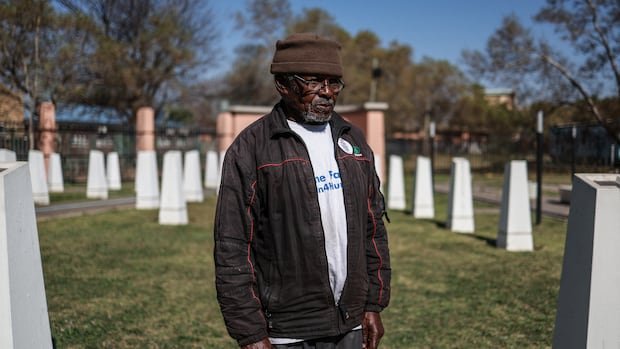
Vincent Thamae, a resident of Sharpeville, vividly recalls his grandfather recounting tales of the tragic Sharpeville massacre. This event occurred on March 21, 1960, when the apartheid police in South Africa unleashed gunfire on peaceful demonstrators in a township near Johannesburg, resulting in the deaths of numerous individuals, including men, women, and children.
Thamae, now actively involved with Voices of Sharpeville, has been diligently gathering accounts from survivors and families of victims since 2018. Serving as a link between these survivors and a legal team, he is assisting in the initiation of a class-action lawsuit against the government. The lawsuit aims to secure compensation for the victims and their descendants and demands the repeal of an apartheid-era law that shields South African officials from accountability for the massacre.
The protest in Sharpeville was against apartheid pass laws that imposed restrictions on movement and enforced racial segregation. Records from the time indicate that 69 people were reportedly killed and 180 injured by the police, although research referenced by the plaintiffs suggests a higher toll of 91 fatalities and over 238 wounded.
One survivor, 87-year-old Abram Mofokeng, who was shot in the foot and back during the chaos, emphasizes the enduring impact of the tragedy. He expresses, “It is not possible to forget what happened in 1960.” Mofokeng, along with two other Sharpeville residents, Abram Mofokeng and Ishmael Poho, are serving as lead plaintiffs in the legal proceedings led by Lawyers for Human Rights.
The quest for compensation has been ongoing, with initial claims following the massacre in 1960. However, the implementation of the Indemnity Act in 1961 absolved officials of liability and halted the compensation process. Despite the end of apartheid in 1994, this law remains in effect, prompting calls for its repeal by the legal representatives of the Sharpeville survivors.
The lawyers argue that the case serves to address the deficiencies of the Truth and Reconciliation Commission, which only granted reparations to a limited number of Sharpeville survivors. Dan Leader from Leigh Day, a British human rights law firm supporting the plaintiffs, views this legal action as a critical step in South Africa’s journey towards justice and reconciliation.
If successful in overturning the Indemnity Act, the plaintiffs’ claims for damages can proceed, although specific figures are yet to be disclosed. Thamae, aligned with the Pan Africanist Congress, envisions reparations extending beyond financial compensation to encompass broader benefits like enhanced educational opportunities for the plaintiffs’ offspring. The enduring repercussions of land dispossession by the apartheid regime continue to reverberate through subsequent generations in Sharpeville, underscoring the deep-rooted impact of historical injustices.
Thamae acknowledges the arduous and emotionally taxing process of collecting accounts from survivors and descendants, noting the persistent wounds that have not fully healed. Reflecting on the atrocities committed by the government, he remarks on the ongoing struggle to come to terms with the traumatic events of the past.

