

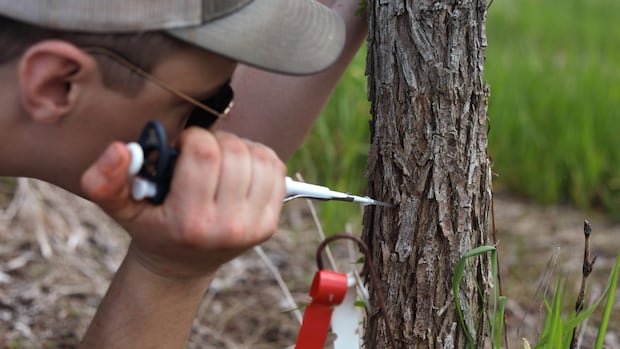
Throughout the summer, scientists in Vermont have been intentionally infecting thousands of trees with Dutch elm disease. This initiative is part of a research collaboration between the U.S. Forest Service and the Nature Conservancy to explore the potential resistance of a new generation of elms bred from disease survivors. The objective is to revive elm populations in regions where these iconic trees once flourished, adorning city streets and riverbanks.
Gus Goodwin, a senior conservation planner at The Nature Conservancy, expressed the profound impact of losing these trees over the years, emphasizing the devastation caused by Dutch elm disease.
In a similar vein, researchers in Canada are also engaged in efforts to combat the disease, recognizing the urgent need for solutions as it poses a growing threat in new areas.
One notable project is the Elm Recovery Project at the University of Guelph, where Alison Morrison, a project manager, highlighted the loss of elms’ longevity due to the disease rather than the entire population.
The Decline of Fredericton’s Elm Trees
Fredericton, once renowned as the “City of Stately Elms,” witnessed a significant decline in its elm population during the 1960s and 70s due to Dutch elm disease, with an estimated 10,000 trees lost. Today, only around 1,000 mature elms remain in the city.
Anthony Taylor, a forest management professor at the University of New Brunswick, shared his experience of seeing the disease affect elms on his property, underscoring the ongoing challenges faced by these majestic trees.
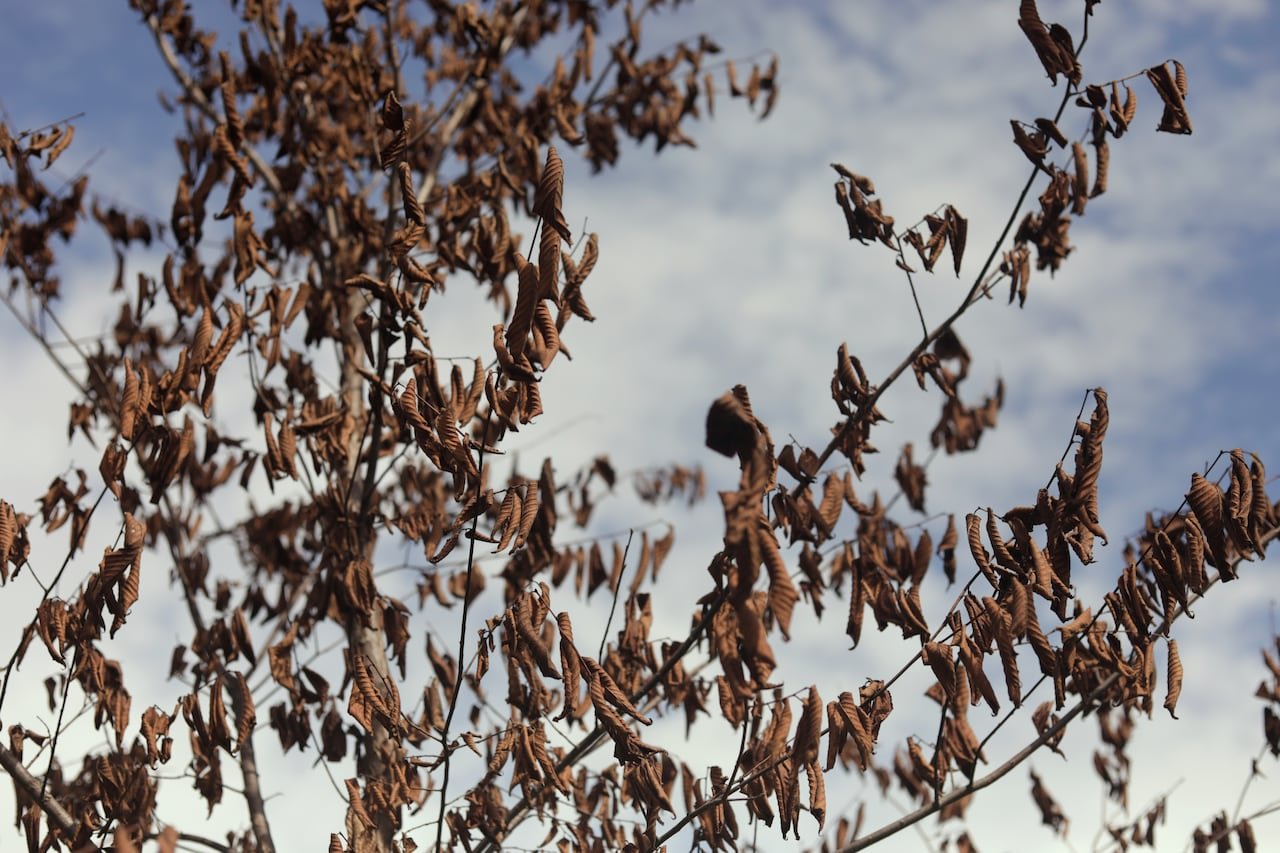
Dutch elm disease, transmitted by bark beetles, attacks the trees’ vascular system, disrupting water flow and ultimately leading to their demise within a few years of infection.
-
Increasing Cases of Dutch Elm Disease in Alberta Prompt Municipal Alert
-
Saskatoon Residents Advocate for More Trees Amid Dutch Elm Disease Spread
The disease spreads further as beetles lay eggs in infected trees, generating new carriers that fly to healthy trees. Additionally, the fungus can spread through root systems.
To combat Dutch elm disease, infected trees are promptly removed and disposed of, a strategy known as “sanitization.” However, historical practices of removing healthy neighboring elms inadvertently impacted disease tolerance by removing potentially resistant trees from the population.