

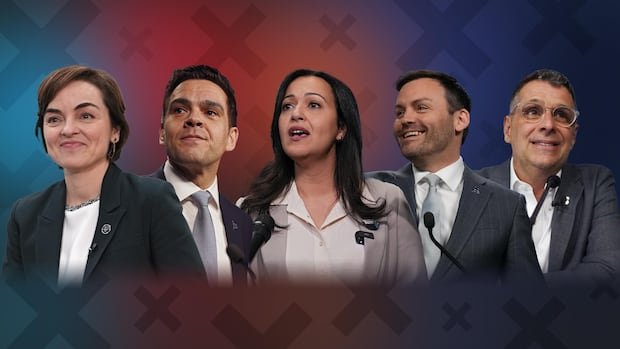
The upcoming provincial election campaign is set to begin this week, with Thursday, Aug. 27 likely being the official start date. Despite the formal kickoff yet to occur, the five major political parties have been actively engaged in campaign activities for some time. Here’s a breakdown of the key elements at play, insights into the main party leaders, and significant issues that may arise during the campaign.
This election is slated for Oct. 5, marking the first time since 2018 that Quebecers will choose a new government leader, as François Legault stepped down earlier this year. Christine Fréchette assumed the role of premier in April after winning the party’s leadership race. Recent polls indicate a close race for the premiership, with 48% of voters having made their decision and 49% still open to changing their minds.
Noteworthy changes in this election include an increase in the number of ridings to 127, up from the previous 125, thereby raising the bar for attaining a majority to 64 seats. The main party leaders vying for the premiership are Christine Fréchette (CAQ), Ruba Ghazal (QS), Charles Milliard (PLQ), Éric Duhaime (PCQ), and Paul St-Pierre Plamondon (PQ).
Each party has distinct stakes in the election. The PQ is leading in polls despite facing challenges, with plans for a referendum garnering attention. The CAQ seeks to maintain its momentum, while the Liberal Party aims for a comeback following previous defeats. The Conservative Party hopes for a breakthrough, particularly in the Quebec City region, as party leader Éric Duhaime makes his third bid for an MNA seat.
Québec Solidaire faces changes with key figures stepping down, yet the party has seen a positive shift in recent polls. The top campaign issues revolve around health and social services, cost of living, housing, and the economy, with a spotlight on the PQ’s referendum plans. External factors like the U.S.-Canada trade tensions are also expected to influence discussions during the campaign.

