

In the viewpoint of some Alberta separatists, the primary focus is not solely on breaking away from Canada but on strengthening trade ties with the province’s southern neighbor. Keith Wilson, a key figure in the independence movement, emphasized the advantageous position of Alberta beside the largest global economy in a recent social media post. He highlighted the proximity and cost-effectiveness of trade routes to the United States as a crucial factor, attributing the challenge to excessive control from Ottawa rather than geographic constraints.
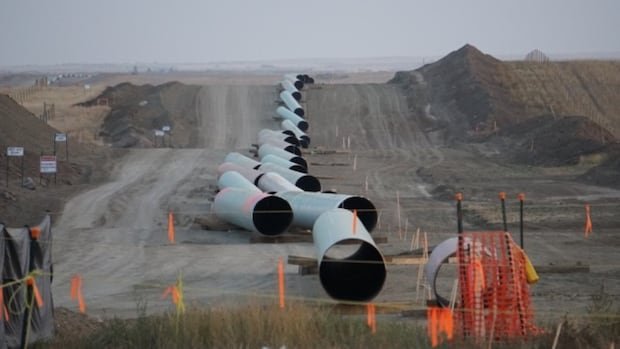
Alberta stands out as a major oil producer, with a significant portion of its daily output of five million barrels flowing southward to the United States. While a graphic shared by Wilson depicts a direct flow of resources southwards from Alberta, the reality is more intricate. The majority of Alberta’s crude oil traverses pipelines passing through other western provinces before reaching the U.S. market, with only a fraction directly entering the States from Alberta itself.
This pipeline network complexity extends to natural gas exports from Alberta, which also rely on routes through other Canadian provinces before reaching the United States. Such interdependencies underscore the intricate trade relationships that an independent Alberta would need to navigate, particularly concerning agreements for cross-border transit and access to critical markets.
Experts suggest that forging new trade agreements and resolving transshipment issues would be a complex undertaking for an independent Alberta, with negotiations starting from scratch. The intricate web of existing treaties and trade deals could pose challenges, requiring careful consideration and negotiation to ensure seamless trade flows post-secession.
Moreover, potential trade disruptions or tariffs on Alberta’s exports post-separation could present additional hurdles. The intricacies of pipeline infrastructure and regulatory history further complicate the scenario, emphasizing the need for strategic planning and robust negotiations to safeguard Alberta’s economic interests in a new geopolitical landscape.
As discussions around Alberta’s potential independence continue, the intricacies of trade relationships, transit agreements, and market access remain key focal points. The evolving dynamics underscore the need for comprehensive planning and negotiation strategies to navigate the complexities of trade post-secession effectively.

