

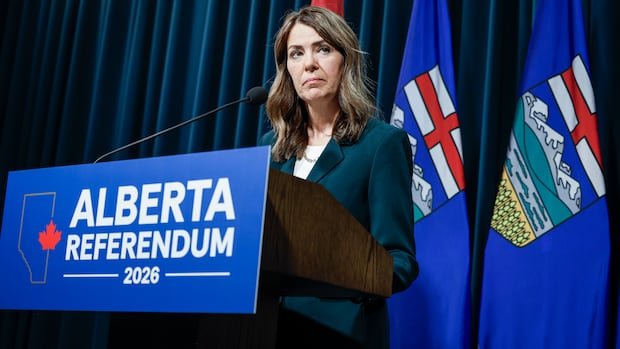
If Albertans vote in favor of the five immigration proposals in the upcoming fall referendum, a significant number of Alberta’s 260,000 temporary workers and other non-permanent residents may lose their health and education benefits. Additionally, all residents could potentially face additional access fees on top of their existing taxes.
Premier Danielle Smith has expressed her opposition to the main question on the October 19 ballot regarding separation but has shown support for the other nine questions she has presented to Albertans concerning immigration and constitutional reform. Smith views these questions as a middle ground for supporters to voice their frustrations with the federal government without advocating for secession.
The referendum questions cover a range of issues, from symbolic gestures to impactful policy changes affecting real people. Critics argue that these ballot measures could have significant consequences for temporary residents, including asylum seekers, student visa holders, temporary foreign workers, and their families. However, understanding the full implications of these proposals can be challenging.
One of the questions pertains to increasing provincial control over immigration to manage the influx of newcomers. While there has been a shift in rhetoric against immigration due to the strain it puts on resources, recent federal restrictions have led to a decline in non-permanent residents entering Alberta.
The referendum also includes questions about citizenship verification for voting and eligibility criteria for provincially-funded programs based on immigration status. The potential outcomes of these proposals could result in certain groups facing restrictions on social services and being required to pay fees for health and education access.
The lack of clarity and outreach on these critical issues has raised concerns among advocacy groups and community members. Understanding the implications of these referendum questions before the voting day is crucial to empower voters to make informed decisions.

