

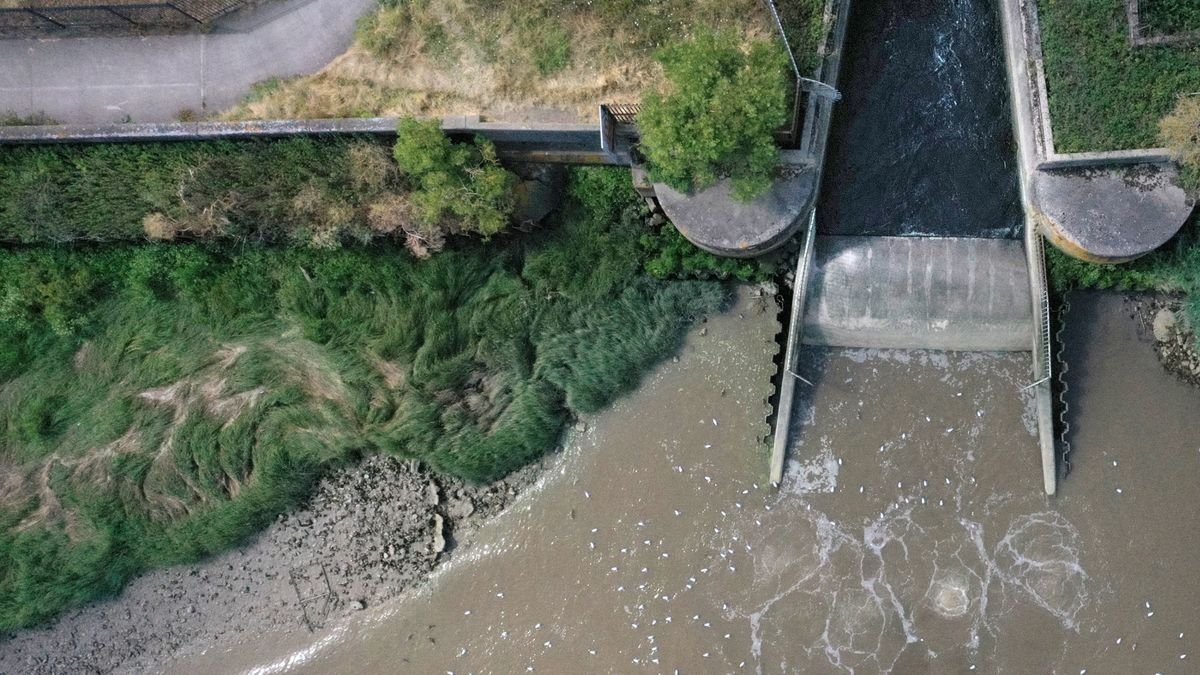
Around 85% of rivers in England have not met water quality standards, according to the latest report from the Environment Agency. Despite significant investments in water networks, there has been no improvement in river quality since 2019. This has sparked outrage over sewage being pumped into rivers and bathing areas, alongside rising household bills.
Furthermore, many regions in the country are facing hosepipe bans due to prolonged drought conditions, with critics pointing fingers at water companies for not addressing leaks adequately. The Environment Agency has faced criticism for allegedly failing to curb pollution, as highlighted in the Channel 4 documentary “Dirty Business.”
Recent data from the Environment Agency revealed that only 14.3% of England’s surface waters, including rivers, lakes, canals, and estuaries, meet the ecological standards set by the Water Framework Directive Regulations. The majority of water bodies are classified as moderate, poor, or bad, with only a small percentage achieving a high ecological status.
Phosphates found in raw sewage and agricultural runoff were detected in over 48% of tested rivers. The percentage of water bodies meeting the “good” category has declined compared to the previous assessment in 2019, although the Environment Agency cautioned against direct comparisons.
The one-out, all-out rule, where a single failing element can impact the overall status of a water body, has contributed to the lower percentage of waterways meeting the desired ecological status. The gap between the current figures and the target of 75% of water bodies with good ecological status by 2027 is substantial.
Environment Secretary Angela Eagle emphasized the necessity for significant changes in the water sector to ensure cleaner rivers and lakes for local communities. She highlighted legislative measures, increased investment, and ongoing reforms aimed at enhancing water quality standards and overall performance.
Alan Lovell, chair of the Environment Agency, acknowledged the need for further action based on the latest Water Environment Classification results. He stressed the agency’s commitment to driving improvements through enhanced enforcement efforts and collaboration with stakeholders, including water companies, farmers, businesses, and local authorities.

