

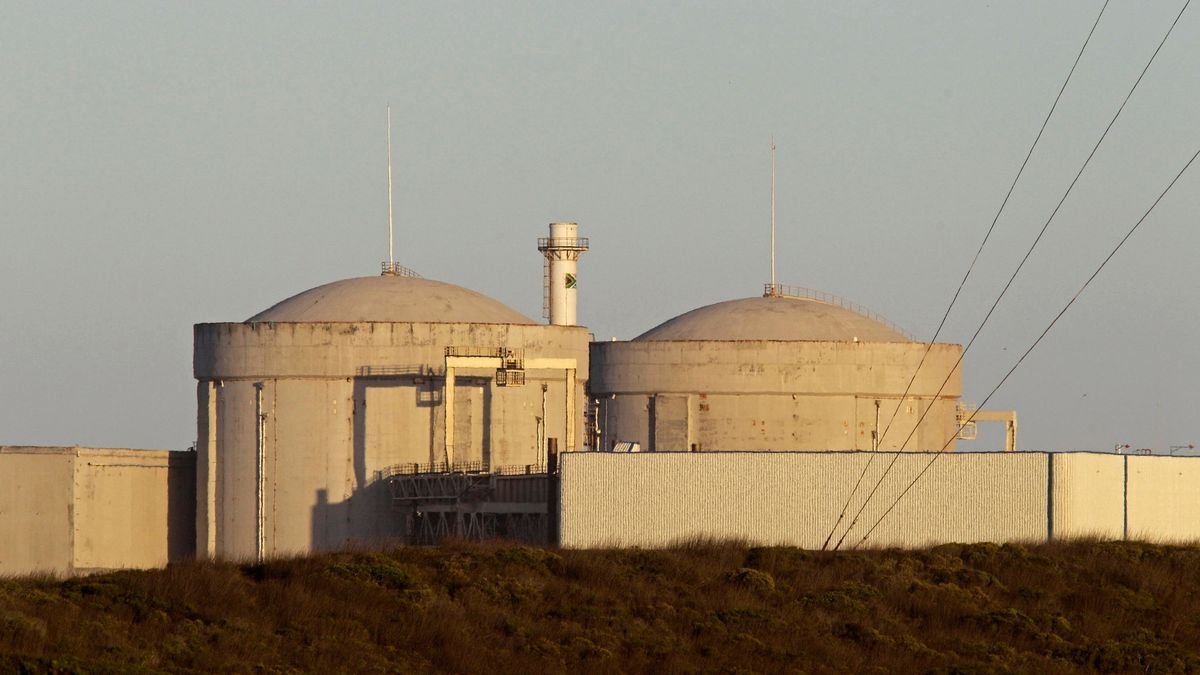
A nuclear power facility in South Africa experienced three incidents involving “airborne radioactive contamination” following a power outage. These separate events occurred at the Koeberg Power Station, the sole nuclear power plant in Africa, on June 30, July 2, and July 7.
The South African nuclear regulator stated that there was no release of radioactive material into the environment during these incidents. The contamination was contained within the station, posing no threat to the public. However, there was an increase in airborne radioactive contamination at the station’s location on the west coast of South Africa when ventilation units lost power during maintenance.
Workers who may have been exposed to the contamination were screened, and their recorded levels were below those typically experienced during a dental X-ray. The National Nuclear Regulator clarified that the events did not meet the criteria for classification as a nuclear or radiological incident, and there were no off-site radiological consequences.
Situated approximately 25 miles north of Cape Town, the Koeberg plant is Africa’s only commercial nuclear power station. Commissioned in the 1980s, the plant houses two reactors that contribute about 5% of South Africa’s electricity and are operated by Eskom, the national electricity provider. Recently, the reactors were granted 20-year life extensions, allowing them to remain operational beyond 2040.
South Africa aims to enhance its nuclear capacity by constructing new stations to address its unreliable and environmentally damaging energy supply, heavily reliant on coal. Despite safety concerns, countries worldwide, including some African nations like Egypt, are turning to nuclear power to meet escalating energy demands. Egypt is developing its first nuclear power plant with four large Russian reactors, expected to be operational by 2030 and generate around 10% of the country’s electricity, according to the World Nuclear Association.

