

After a lengthy nine-month span, the football season is finally coming to a close tonight, offering fans a much-needed reprieve. Enthusiasts will have the chance to unwind, while those less fond of the sport, like my wife, can escape what she describes as “overpaid individuals on television spouting continuous nonsense.”
However, hold that thought. The upcoming World Cup is on the horizon. This is not your typical tournament with 16, 24, or 32 teams and breaks in between. In just 12 days, 48 teams will compete in 104 matches over nearly six weeks, concluding on July 19, just a week before pre-season friendlies begin. There will be no summer hiatus, just an extended period of matches. This excessive scheduling is primarily to benefit FIFA, aiming to capitalize on an estimated £8 billion from media rights, sponsorships, and ticket sales under the pretense of offering more nations the opportunity to dream.
The event has been marred by corporate dominance in host stadiums, exorbitant ticket and hotel costs, and significant travel distances between matches. Plans are even in place for a prolonged halftime show akin to the Superbowl final to attract advertisers. Many fans are opting out, with hotels reporting vacant rooms. The current global political climate, including the threat of terror attacks and deportation in the U.S., further deters attendance.
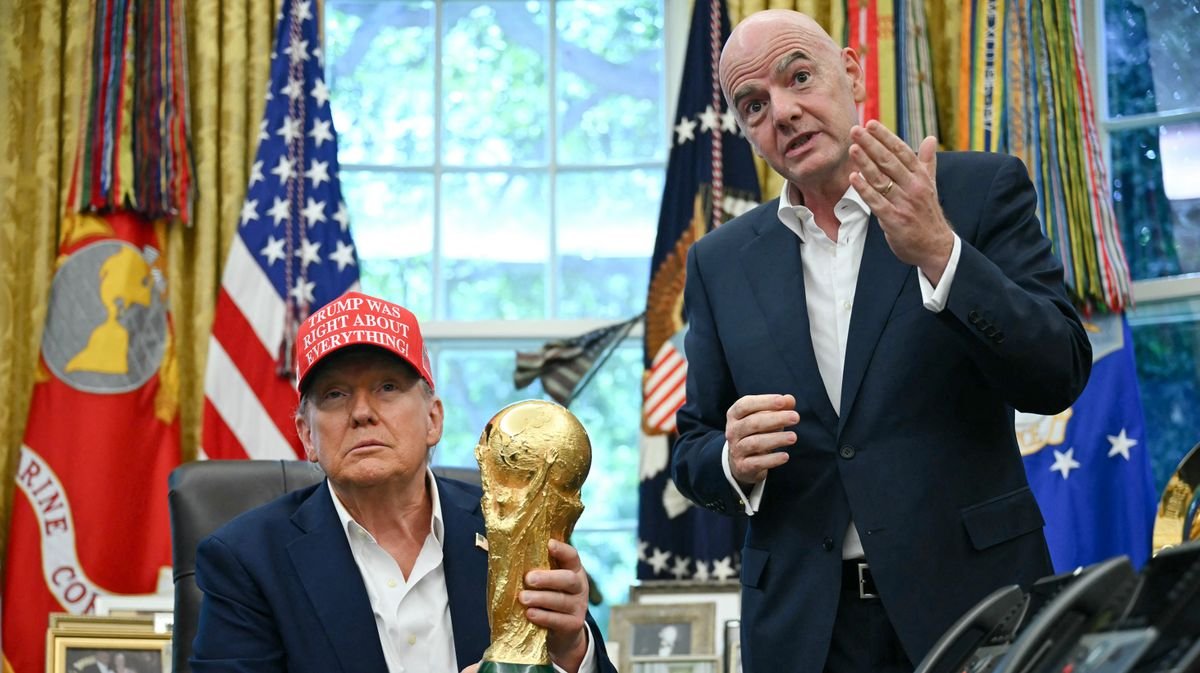
This World Cup no longer symbolizes the celebration of the beautiful game but rather the manipulation by FIFA and other entities. It serves as a stark reminder of how the sport is being hijacked from its grassroots supporters by the wealthy elite. It is a cautionary tale for fans, especially those of Premier League clubs, the majority of which are owned by American investors eyeing profits at the expense of the game’s essence.
While some may argue that no one is compelling critics to watch, for many football enthusiasts, it is an inherent part of their identity and routine. The hope is that despite individual team successes, this corrupt and commercially-driven spectacle will falter, leading to a much-needed reevaluation of the sport’s direction.
The wish is for underwhelming attendance, lackluster football performances, and unexpected outcomes to shake up the tournament. A scenario where unpopular figures face consequences, signaling a victory for the integrity of the sport.

