

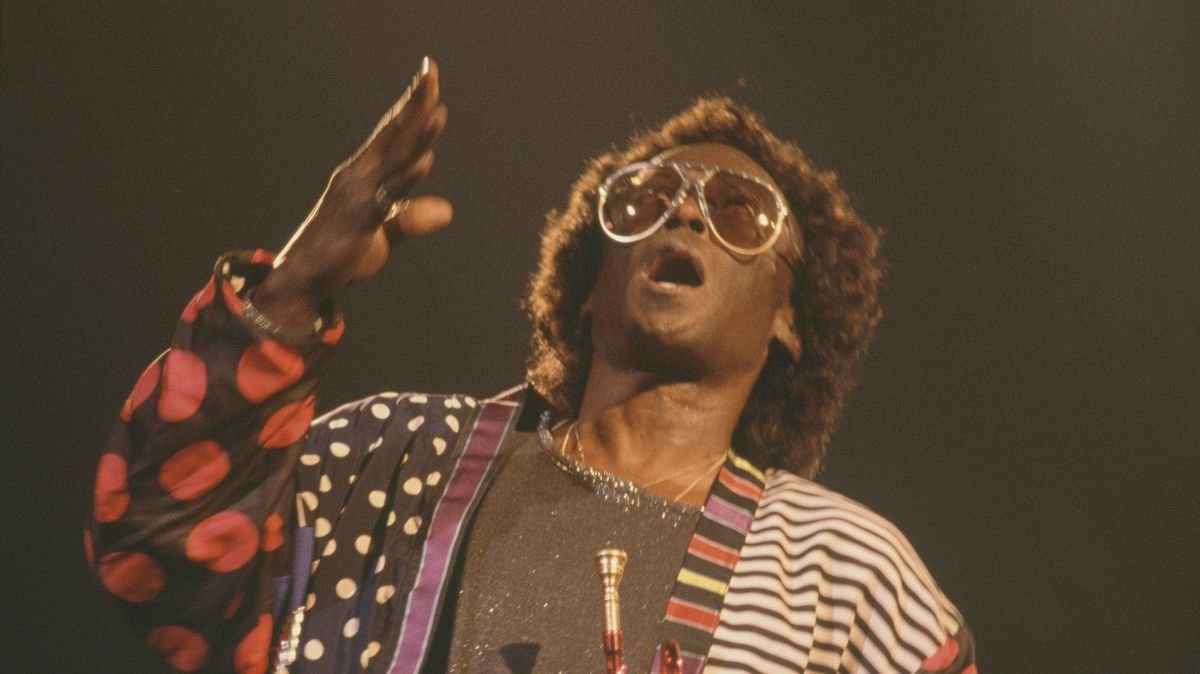
Jazz legend Miles Davis, known for his groundbreaking music and turbulent personal life, is being honored worldwide on the centenary of his birth. Renowned for his constant reinvention and influence on Black music in America, Davis continues to inspire artists even today. Despite his musical genius, Davis battled with addiction and faced racial discrimination throughout his life, shaping both his artistry and persona.
Born in 1926 in Illinois to a well-off family, Davis discovered his passion for music at a young age, receiving his first trumpet as a gift. His music career took off when he joined the Billy Eckstine Orchestra in 1944, leading him to New York City to study music while learning from jazz greats like Charlie Parker and Dizzy Gillespie.
Davis’ success soared in the 1950s and ’60s with the release of iconic albums like “Kind of Blue” and “Bitches Brew,” propelling him to stardom and reshaping the jazz genre. Despite his triumphs, Davis grappled with substance abuse and societal prejudices, which reflected in his artistry and persona. His refusal to conform to traditional jazz norms and his relentless pursuit of innovation cemented his status as a revolutionary figure in music history.
Although Davis faced personal struggles and health issues later in life, his impact on the music industry remains undeniable. His legacy lives on through modern-day artists who credit him as a major influence, demonstrating the enduring relevance of his work. As fans commemorate his centenary, Davis’ monumental contributions to music continue to resonate across generations, solidifying his place as a true musical innovator.

