

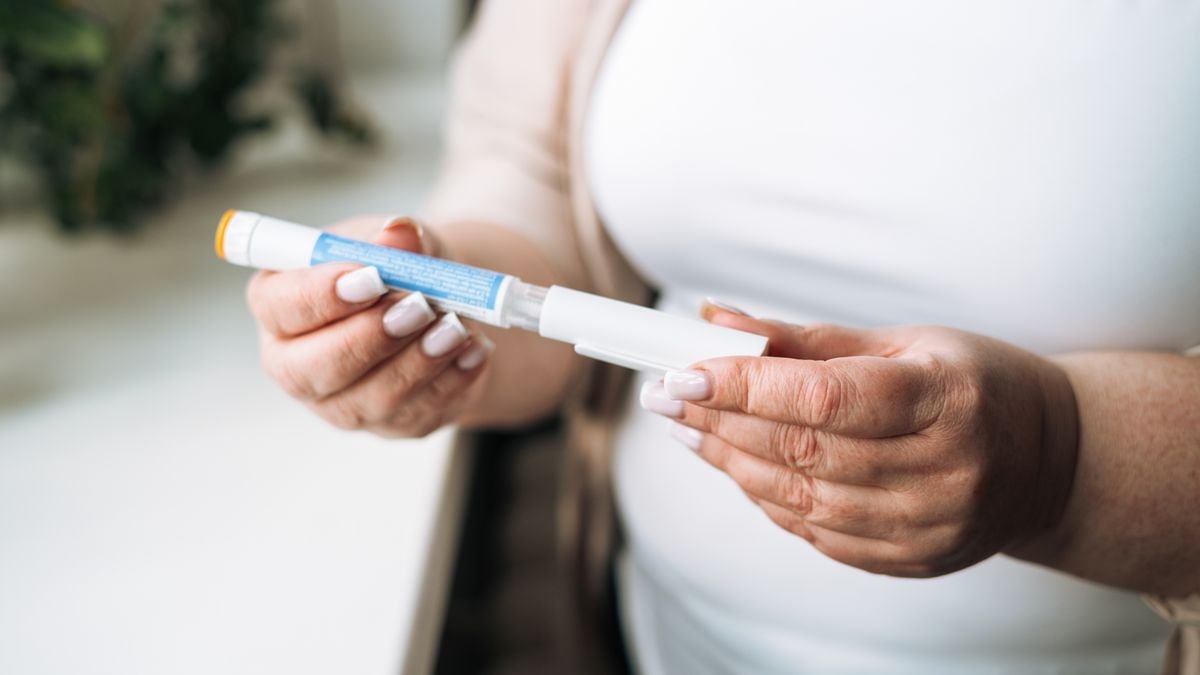
A recent study suggests that weight loss injections could potentially serve as “cancer prevention agents” due to their association with a reduced risk of obesity-related cancers. Obesity has been linked to an increased risk of various types of cancer, such as breast, bowel, pancreas, kidney, liver, and stomach cancers.
The study focused on glucagon-like peptide-1 receptor agonist (GLP-1) drugs like Mounjaro, Wegovy, and Ozempic, commonly used in treating obesity and type 2 diabetes. Research indicates that these medications may offer broader health benefits beyond their primary purpose.
Examining data from over 161,000 obese patients without diabetes or a history of obesity-related cancer, researchers found that those using weight-loss injections had a significantly lower risk of obesity-related cancers during the two-year follow-up period, with a risk reduction of 41%.
Notably, the study revealed that the risk reduction was not observed among black patients, possibly due to various factors like access to care and biological differences. The senior author of the study, Dr. Aparna Kamat, highlighted the substantial risk reductions seen in men and certain cancer types, emphasizing the potential impact of these medications on cancer prevention.
While cautioning that the findings do not establish direct causation, Dr. Kamat emphasized the importance of considering GLP-1 drugs as a possible preventive measure against obesity-related cancers, especially as these cancers increasingly affect middle-aged adults. Professor Pedro Ramirez, a co-author of the study, underscored the need for further long-term clinical trials to explore the broader health benefits of GLP-1 medications.
The study suggests a paradigm shift in addressing obesity treatment and cancer prevention, emphasizing the significance of understanding the holistic health impact of GLP-1 receptor agonists as their global usage continues to rise.

