

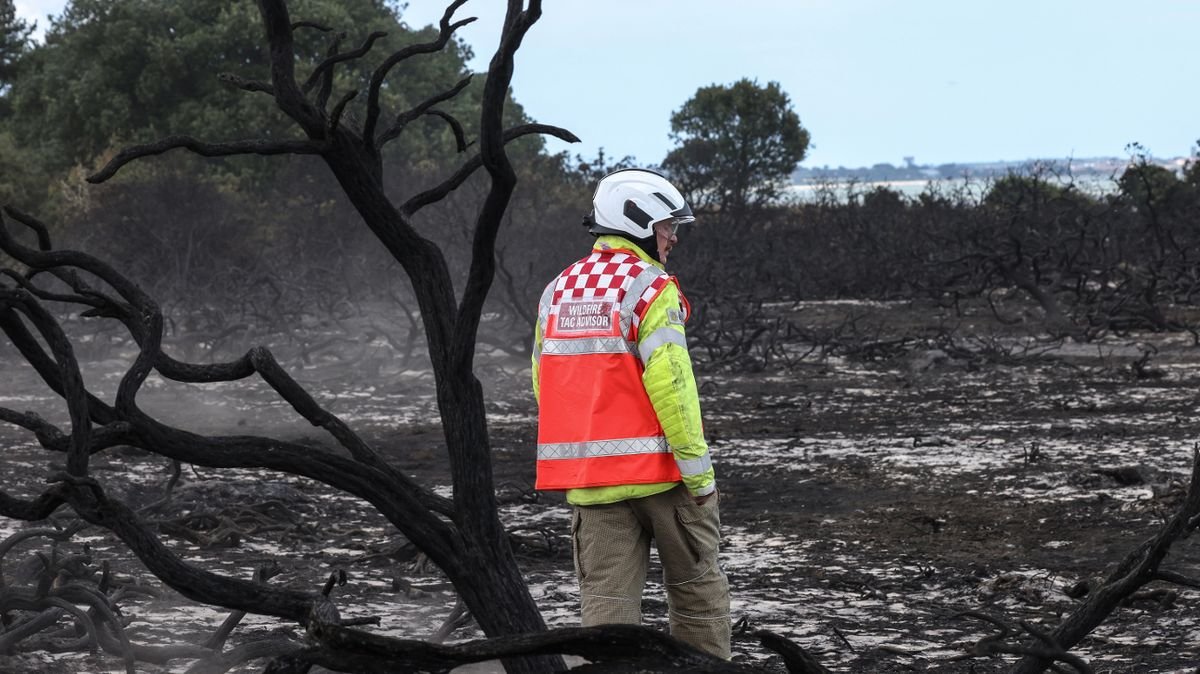
Rare wildlife habitats in the UK that have been severely affected by the recent heatwave may need up to 25 years to fully recover, according to conservation experts.
The anticipated cooler weather across various parts of the UK could alleviate the strain on firefighters following a series of grassland fires from Snowdonia National Park to Suffolk. These fires were exacerbated by the driest July on record in England and Wales.
Both activists and Government officials have raised concerns that the extreme weather patterns experienced recently could become more frequent due to global warming. Satellite images have revealed extensive damage to lands in Sychnant Pass, North Wales, with a major fire incident leading to the evacuation of 36 homes on July 12.
The affected area includes parts of Snowdonia National Park, a designated Site of Special Scientific Interest. Authorities have cautioned against visiting the fire-affected regions for aerial photography or camping activities, emphasizing the risks posed and the hindrance to firefighting efforts.
The exceptionally dry weather in July has broken records in England and Wales, with minimal rainfall reported. The drought conditions have prompted water restrictions affecting over 24 million people, with the Met Office highlighting the unprecedented heat and lack of rainfall during the month.
The worst-hit area was Dunwich Heath in Suffolk, where firefighters managed to contain a significant blaze. Conservationists lamented the loss of crucial habitats for rare species, warning that the recovery process could stretch over two decades.
Furthermore, the ongoing drought conditions pose a threat to food supplies in the UK, with concerns raised about poor crop yields and the impact on livestock farmers. The National Farmers’ Union has highlighted the urgent need for water management strategies to secure future food production.
With water scarcity looming, farmers are urged to invest in water storage facilities to mitigate risks and ensure long-term food security. The current challenges underscore the necessity for proactive measures to safeguard the UK’s food supply chain amidst changing climate patterns.

