
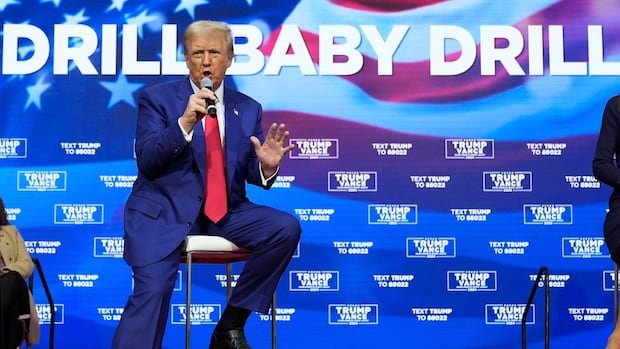
During his 2024 U.S. presidential campaign, Donald Trump vowed to support the oil industry fervently, advocating a “Drill, baby, drill” approach. However, his recent actions as president have had unintended consequences, contrary to his initial promises. Trump’s imposition of punitive tariffs on China and the repercussions of the conflict with Iran earlier this year have prompted several nations to explore renewable energy options, amid windfall profits for oil companies.
According to Kingsmill Bond, director of global energy think-tank Ember, the economic principle of supply and demand is at play. The increased costs and risks associated with oil have incentivized countries to seek alternative energy sources, leading to a surge in interest in renewable technologies.
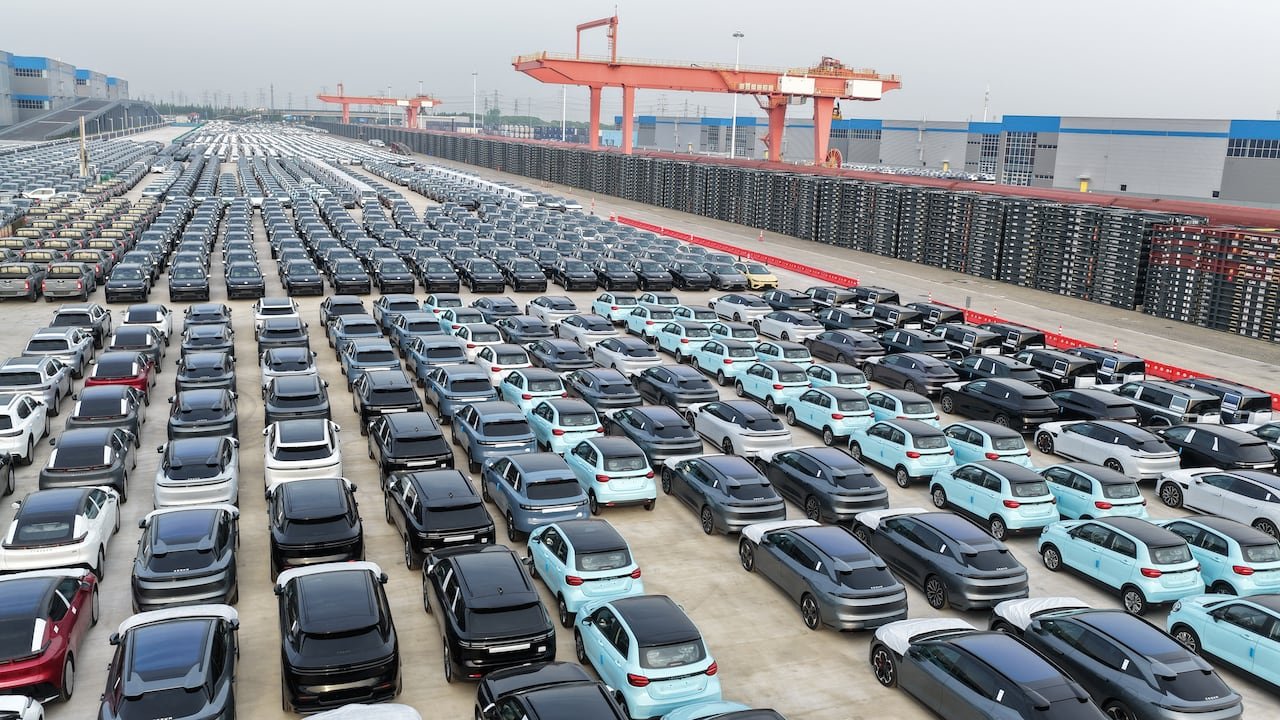
Notably, the electric vehicle market has seen a significant uptick, as highlighted in a recent report by the International Energy Agency (IEA). Data from Ember reveals a substantial increase in Chinese electric vehicle exports to various countries, including Brazil, South Korea, Australia, and Italy.
Furthermore, countries are recalibrating their energy grids in response to the changing landscape. The U.K. witnessed a substantial increase in solar panel sales, while rising energy costs in Asia have fueled a surge in rooftop solar installations. Concurrently, Canada is looking to bolster its energy infrastructure by announcing a nuclear strategy aimed at doubling the electrical grid’s capacity by 2050.
“The demand for EVs, batteries, and solar panels is soaring, driven by consumer interest in sustainable alternatives,” stated Kingsmill Bond.
Countries Prioritizing Energy Security
The global energy transition has been gathering momentum, with renewables surpassing coal in electricity generation for the first time in a century, as noted in Ember’s 2025 review. The recent geopolitical tensions, notably the conflict with Iran, have underscored the need for cleaner energy solutions.
Following Iran’s actions affecting global oil supply, countries across the globe are reevaluating their energy strategies. For instance, Thailand has shifted towards solar energy to mitigate rising natural gas prices, while the Philippines declared an energy emergency and expedited renewable energy projects to enhance energy security.
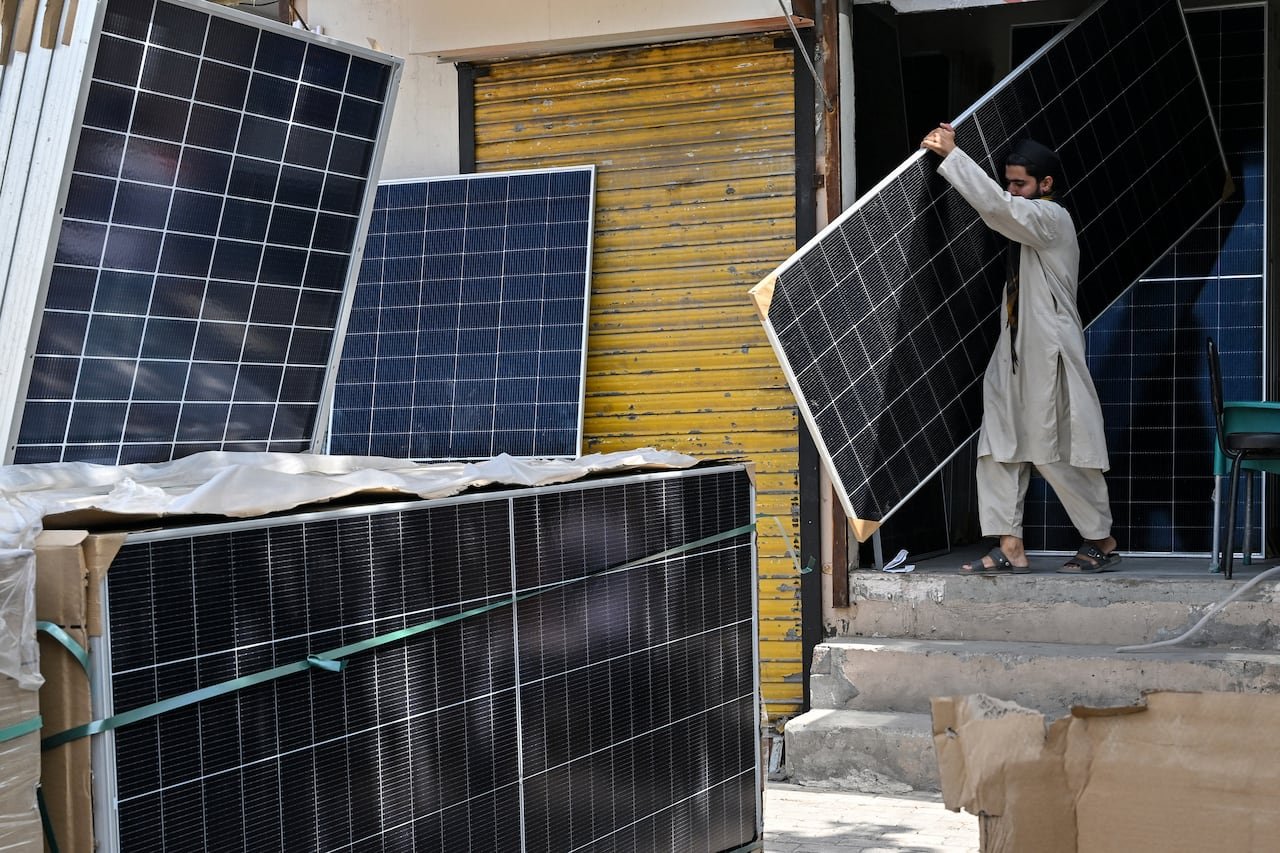
Although some countries have increased coal usage due to energy shocks, there is a concurrent push towards clean energy solutions. Notably, Pakistan’s transition to solar energy has been steadily progressing, reducing its reliance on traditional fossil fuels for power generation.
Erica Downs, a senior research scholar, highlighted that electrification enhances energy security, prompting many nations to invest in clean energy alternatives for long-term sustainability.
‘A Marathon, Not a Sprint’
China’s pivotal role in renewable energy production cannot be overlooked, as the nation has been a major player in manufacturing solar panels, wind turbines, and electric vehicles. Trump’s trade policies, including tariffs on Chinese products, have redirected renewable energy equipment to African nations, aiding them in transitioning away from fossil fuels.
Joanna Klimczak emphasized that China’s substantial investments in clean tech manufacturing have met the global demand for renewable energy at a critical juncture.
Advancements in clean technologies have made them more cost-effective than traditional fossil fuels, as highlighted by the International Renewable Energy Agency. The declining costs of solar panels, wind turbines, and battery storage have made renewable energy solutions more accessible and affordable.
Experts suggest that the global energy transition is an ongoing process, accelerated

