
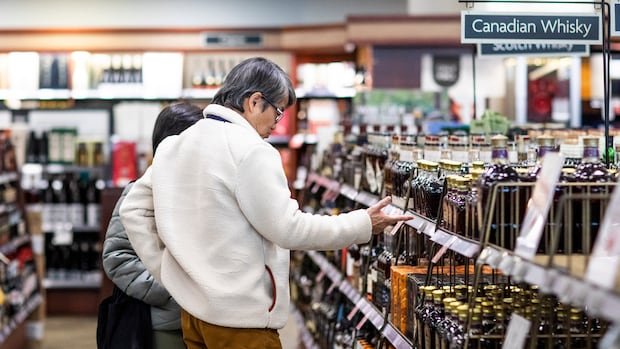
Distiller James Lester, the founder of Sons of Vancouver distillery in British Columbia, is facing a new setback in the wake of the ongoing trade war. Effective as of Tuesday at 12:01 am ET, certain Canadian alcohol products, dairy byproducts, motorcycles, and molasses are now banned from being exported to the United States. This development has left Lester disheartened, especially as he had been actively working to expand his business in the U.S. market through building relationships and increasing sales.
Typically, Sons of Vancouver ships a small quantity of wheated rye to the U.S. annually, accounting for less than 10% of their total business. However, the recent ban has limited their options, with online availability in the U.S. expected to dwindle. The import restrictions have particularly affected smaller producers, like Lester’s distillery, who heavily rely on access to the U.S. market.
The ban on Canadian alcohol imports exacerbates tensions in the trade war, with liquor becoming a contentious issue for policymakers on both sides of the border. While larger spirits companies with operations on both sides may navigate the ban’s impact, smaller players are likely to bear the brunt of the restrictions.
Alcohol has remained a focal point in the trade dispute, with the U.S. citing Canada’s alleged discrimination against American alcohol among dairy and auto products. Despite alcohol making up a small portion of Canada-U.S. trade, its symbolic significance and cultural identity have made it a strategic target in the conflict.
The trade restrictions have had tangible effects on businesses like Ironstone Vineyards in California, where sales to Canada have been halted for a year and a half. The ban has disrupted longstanding trade relationships and led to financial losses for wineries and distilleries on both sides of the border. Industry players are hopeful for a resolution to the alcohol trade dispute to restore normalcy and revive cross-border commerce.
In conclusion, the ban on Canadian alcohol exports to the U.S. reflects the complexities and challenges of international trade relations, impacting businesses and consumers on both sides of the border.

