
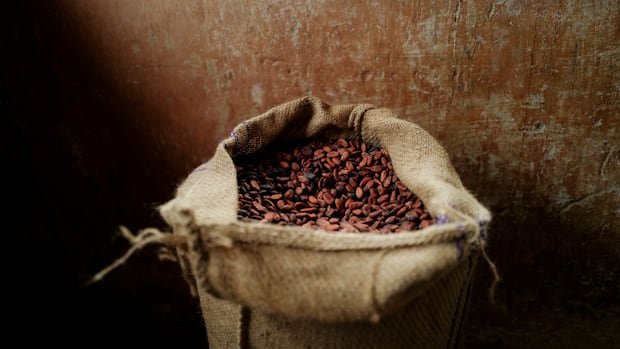
As Halloween approaches, flashy boxes of small chocolates are hitting store shelves across the nation. However, a recent peer-reviewed study highlights a lesser-known threat faced by cocoa production. Anna Lea Albright, an environmental fellow at Harvard University, led the research and emphasized that heavy rainfall poses a significant risk to cocoa cultivation, overshadowing concerns about heat and drought.
The study focused on Ghana, the world’s second-largest cocoa producer, and revealed that extreme rainfall during flowering significantly impacts cocoa yields more than temperature variations. While cocoa trees require moisture during the wet season, excessive rainfall can harm delicate flowers and young pods. Additionally, wet conditions can promote fungal infections like black pod disease, further reducing yields.
Albright noted a clear climate signal indicating that warmer air holding more moisture leads to intensified rainfall events during the wet season. In West Africa, the El Niño phenomenon typically decreases extreme rainfall risk but raises the likelihood of drought, exacerbating challenges for cocoa farmers.
Apart from climatic risks, non-climatic factors such as aging trees and illegal gold mining also threaten cocoa production. The study suggests interventions like fungicide use and improved drainage systems to combat fungal diseases. However, addressing these challenges requires significant infrastructure investments to enhance resilience in cocoa farming communities.
The study’s findings raise concerns about the future of cocoa farming in West Africa, as climate shocks make the profession less appealing and more difficult. Experts warn that adapting to changing climate conditions may become overwhelming, potentially driving people out of the industry. This could lead to price volatility and push chocolate producers towards cocoa-free alternatives like sunflower seed-based chocolate to ensure a more stable supply chain.
In response to these challenges, major companies like Nestlé are exploring cocoa-free chocolate options to diversify their products and mitigate risks associated with cocoa production. The rising prices of traditional chocolate may not guarantee a sustainable future for cocoa farmers, prompting a shift towards more resilient alternatives.

