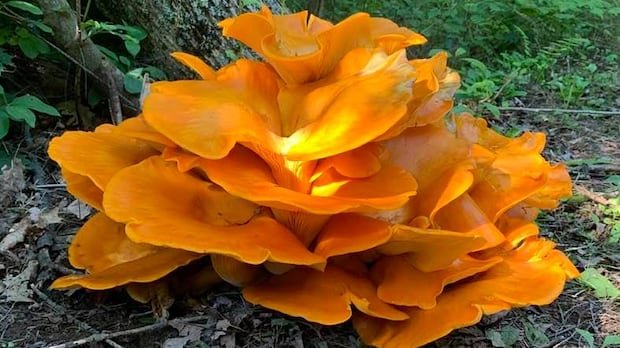
At a UN summit focusing on safeguarding global biodiversity, scientists are advocating for the protection of fungi, an often overlooked kingdom of species. Fungi, which outweigh Earth’s animals sixfold, comprise approximately 5 million diverse species, ranging from edible mushrooms to vital microscopic organisms in ecosystems.
Chilean mycologist Giuliana Furci emphasized the crucial role of fungi in sustaining life on Earth, noting their absence from environmental protection efforts. In response, she established the Fungi Foundation in 2012, the first nonprofit dedicated to conserving fungi globally. The foundation, along with other organizations such as Canada-based Mycosphaera, united to form the Global Fungal Conservation Network, unveiling the Global Strategy for Fungal Conservation at the COP17 UN biodiversity conference in Yerevan, Armenia.
While the 2022 Kunming-Montreal Global Biodiversity Framework aims to safeguard 30% of the world’s land and waters by 2030, it does not explicitly mention fungi, although they were recognized as a separate kingdom in 1969. Furci stressed that fungi are integral to ecosystem functions and addressing environmental challenges like climate change.
Despite facing threats like habitat loss and climate change, fungi remain largely unidentified and undercounted. Recent additions to the IUCN Red List have highlighted the extinction risks facing fungi, with over 1,300 species assessed, including hundreds at risk.
Efforts to conserve fungi are gaining momentum, with the Fungi Foundation’s fungal conservation pledge already signed by 15 countries, influencing scientific recommendations for the UN Convention on Biological Diversity. Furci believes that enhancing global recognition of fungi within biodiversity agreements can lead to improved conservation planning and ecosystem restoration efforts.
Educating the public about the significance of fungi is crucial, as their roles in nutrient recycling, ecosystem health, and everyday life are often underestimated. By elevating the discourse on fungi alongside plants and animals, individuals can contribute to their conservation and broader biodiversity efforts.