

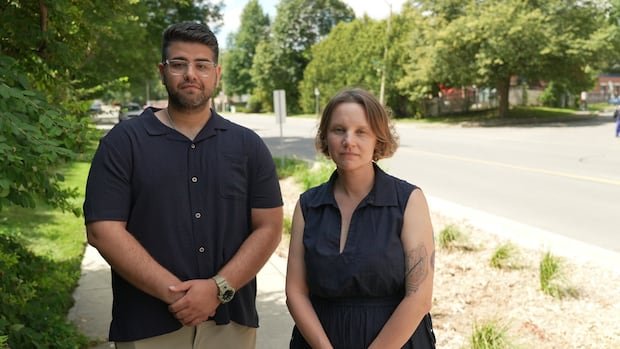
Researchers from Carleton University have identified a simple yet impactful solution that could have alleviated the effects of the severe Canada Day storm in Ottawa’s Crystal Beach neighborhood. By analyzing rainfall data from the unprecedented July 1 downpour, the team conducted a computer simulation to assess the effectiveness of rain gardens on both private properties and the city’s right-of-way areas.
The findings revealed significant reductions in stormwater pooling and flood risks when rain gardens were implemented. Jennifer Drake, an associate professor specializing in stormwater and low-impact development, emphasized the importance of addressing vulnerabilities in urban areas to mitigate the impacts of extreme weather events like the Canada Day storm.
Rain gardens, also known as bioretention cells, are designed with sandy soil and deep-rooted plants capable of managing varying moisture levels. These features slow down water flow, absorb excess water, and may include drainage systems to redirect water to catch basins.
The study focused on Crystal Beach due to its typical mid-century residential construction, making it a suitable model for analyzing stormwater drainage challenges. The neighborhood experienced a peak rainfall volume of 167 mm over five hours during the storm, significantly higher than the average for a moderate storm.
Results from the simulation indicated that implementing rain gardens along the city’s right-of-way reduced stormwater accumulation by 76%, while incorporating rain gardens on private properties as well led to an 86% reduction in flooded areas. Notably, rain gardens also decreased water depth in severely affected regions, preventing rapid water flow that could pose dangers to residents and property.
The study highlighted the significance of integrating green infrastructure like rain gardens with traditional gray infrastructure to enhance stormwater management efficiency. While conventional pipe upgrades were found to have limited impact, the combination of rain gardens and improved stormwater pipes proved to be more effective in reducing flooding risks.
City officials are conducting further investigations and detailed reviews to develop comprehensive mitigation measures based on the findings. Rain gardens have been included in the city’s long-term stormwater management plan, with pilot projects already underway in various neighborhoods to enhance resilience against future extreme weather events.
Drake and her team underscored the strategic placement of rain gardens on the city right-of-way as a key factor in their success, leveraging existing drainage patterns to maximize their effectiveness in stormwater management.