

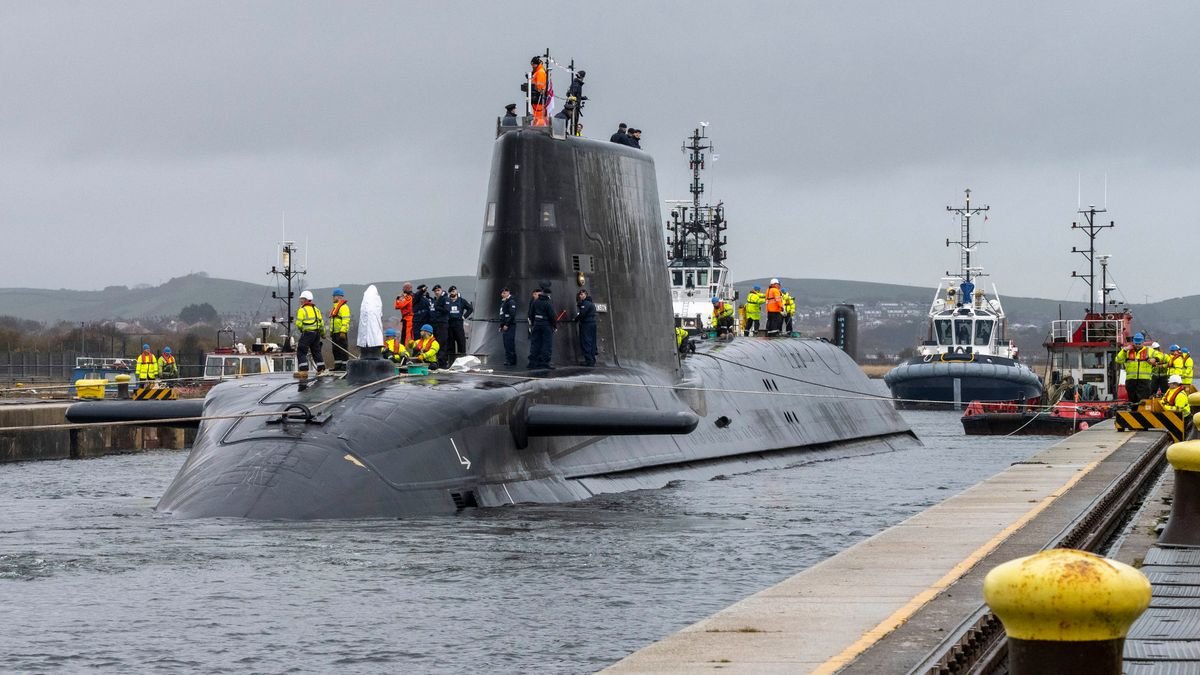
Prime Minister Andy Burnham is set to reveal an £8.4 billion investment for nuclear submarines to facilitate the completion of the new HMS Dreadnought’s sea trials and ensure its readiness for deployment by the 2030s. These nuclear-powered submarines will succeed the current Vanguard Class and have the capability to launch Trident 2 D5 ballistic missiles. Utilizing a Rolls-Royce nuclear propulsion system from Derby, these submarines will have extensive operational range. The HMS Dreadnought is the first of four new nuclear submarines.
While a portion of the funding will support the first submarine’s advancement towards operational readiness, some of the allocated funds will aid in progressing the second submarine, HMS Valiant, to the sea trials stage. The investment will also assist manufacturers in completing the construction phases of the third and fourth submarines.
In a statement, Prime Minister Burnham emphasized the importance of national security and domestic economic benefits resulting from the submarine project. He highlighted the generation of 47,000 jobs and apprenticeships in areas like Barrow, underscoring the significance of investing in British workers, firms, and skills to revitalize communities. Burnham’s commitment to reindustrializing Britain through apprenticeship programs was emphasized in his address.
The Defence Nuclear Enterprise in the UK sustains approximately 47,000 jobs across various regions, including locations like Aldermaston, Burghfield, Devonport naval base, and Barrow. Within the £8.4 billion investment for the Dreadnought Class submarine program, BAE Systems will receive £5.9 billion, with the remaining £2.5 billion allocated to the broader supply chain. Questions have been raised about Burnham’s defense policies, particularly regarding the financing of the 3.5% GDP commitment for defense spending by 2035.
The Defence Investment Plan includes funding for the assembly of four Dreadnought submarines in Barrow, projecting total defense investment over the next four years to reach £298 billion. The document outlines that defense spending will account for 2.7% of GDP by the end of the decade. The government aims to showcase Barrow as a model illustrating how taxpayer investments in major projects can sustain long-term opportunities nationwide. Defence Secretary Wes Streeting emphasized the essential role of the nuclear-armed submarines in safeguarding the UK and supporting local economies.
Despite some skepticism about the funding announcement, Shadow defense secretary James Cartlidge acknowledged the progress in the Dreadnought program. He expressed concerns over the lack of clarity on the procurement of attack submarines and urged Burnham to commit to the 3% pathway as demanded by the former defense secretary. The importance of supporting the nuclear deterrent and backing the workforce involved in submarine construction was stressed, signaling unity in addressing national security challenges.
It is essential to note that the information presented is based on the details provided in the original article.

