

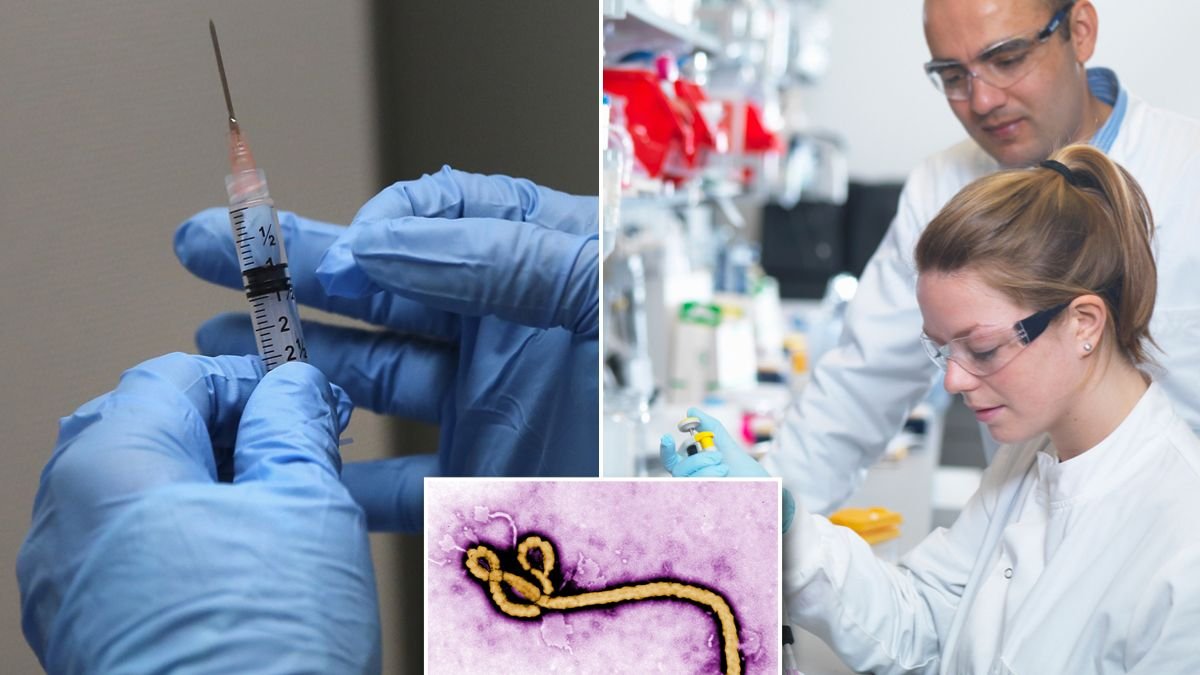
British researchers are commencing trials for a groundbreaking Ebola vaccine aimed at combating a severe outbreak in Africa. Oxford University scientists are developing the vaccine using the same technology utilized in their successful Covid-19 vaccine with AstraZeneca, credited for saving millions of lives worldwide. The UK regulatory body has approved an initial safety trial on British volunteers before proceeding to trials in Africa.
The Oxford team swiftly developed the vaccine in just eight weeks following a public health emergency declaration in the Democratic Republic of the Congo, where Ebola has claimed 625 lives and confirmed 1,792 infections. Unlike traditional vaccines that could take years to develop, the ChAdOx1 BDBV jab is the first of four in development to enter clinical trials.
Professor Teresa Lambe, the lead scientific investigator, emphasized the urgent need for effective vaccines in light of the devastating Bundibugyo ebolavirus outbreak, underscoring the rapid progress made since the outbreak was declared a global health emergency by the World Health Organization.
The Oxford vaccine technology utilizes a modified common cold virus from chimpanzees to deliver genetic material of the Bundibugyo species into the body, priming the immune system to recognize and combat the actual virus upon exposure. With no approved treatments for the current Bundibugyo outbreak, 620,000 doses of the new vaccine have been stockpiled after production at the Serum Institute of India.
Vaccine researcher Alex Sampson highlighted the accelerated scale-up process in response to the outbreak, with rigorous testing procedures conducted in parallel across multiple teams to expedite progress. After successful tests on animals, human trials have been greenlit by the UK regulatory agency, starting with a safety and immune response assessment on 50 healthy adults aged 18 to 55 in the UK.
Dr. Nicole Lurie, from the Coalition for Epidemic Preparedness Innovations (Cepi), praised the University of Oxford’s swift progress in advancing the Bundibugyo vaccine candidate to Phase I trials, marking a crucial milestone in the outbreak response efforts. The ongoing trials aim to bolster preparedness, save lives, and curb the escalating infection rate in vulnerable communities.
While the Oxford/AstraZeneca Covid-19 vaccine played a pivotal role in curbing the pandemic, concerns over rare blood clots prompted the development of newer vaccines. Acknowledging a potential similar risk with the Ebola vaccine, researchers remain vigilant in communicating any risks to volunteers, emphasizing the safety record of the AstraZeneca vaccine administered to millions globally.

