

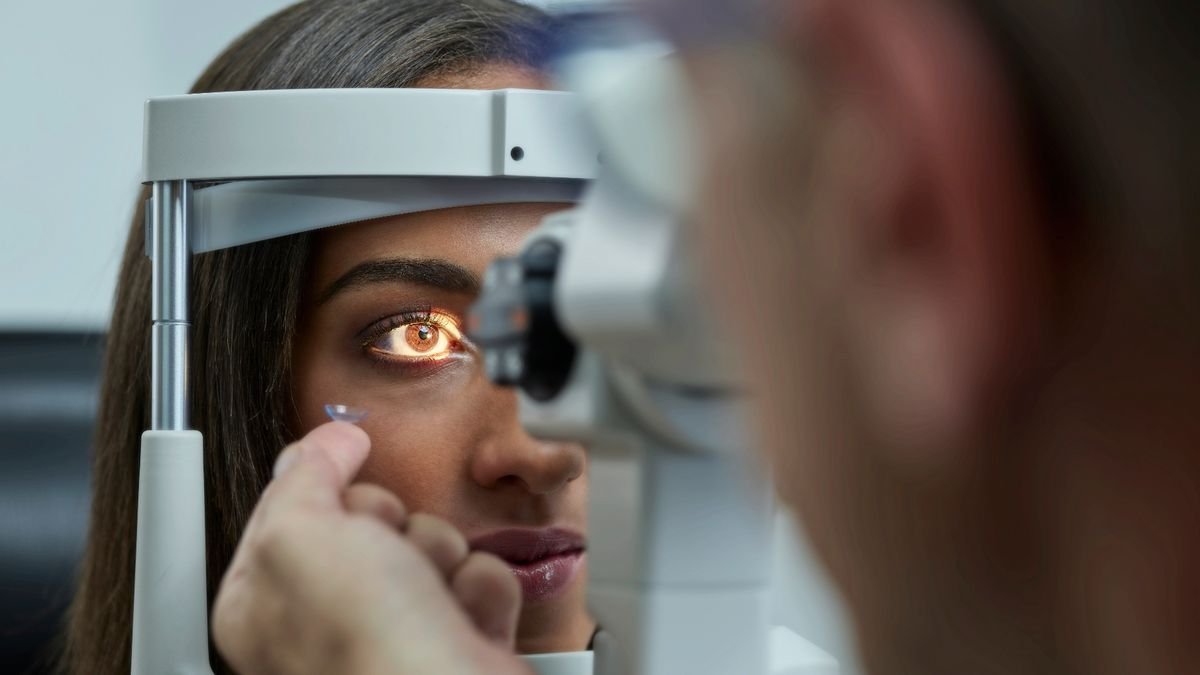
Hundreds of thousands of individuals are visiting the Accident & Emergency (A&E) departments with eye issues that could have been addressed at local free clinics. Recent analysis indicates that around 400,000 people sought treatment for eye infections like conjunctivitis and dry eye at hospitals last year, even though these conditions could have been managed at high street clinics.
According to the Association of Optometrists (AOP), approximately 62% to 78% of the 780,000 eye-related A&E visits in England could have been effectively handled by community opticians. By utilizing high street services more efficiently, up to 400,000 visits to overstretched A&E units could have been avoided.
The AOP is advocating for increased funding for urgent and minor eye care services in optometry practices to enable them to offer NHS clinics as an alternative to A&E. Chief executive Adam Sampson emphasized the need to shift away from emergency departments being the default choice for managing eye problems, highlighting the capacity of community-based optometry professionals.
Eye concerns rank among the top 10 reasons for A&E visits, with less severe issues like eye abrasions being treatable at NHS-funded clinics within optometry practices. These minor and urgent eye care services cater to conditions such as red eyes, infections, flashes, floaters, or sudden vision changes, offering free assessment and treatment. While some clinics allow walk-ins, appointments are recommended.
However, not all opticians receive NHS funding to provide these free clinics, leading to disparities in service availability. AOP is urging for a standardized approach to ensure equitable access to eye care services across all regions in England.
Adam Sampson stressed the importance of universal access to high street eye care services, likening it to the accessibility of community pharmacies for general health issues. The goal is to eliminate the existing postcode lottery that hampers patients’ access to nearby care.
A decade of Conservative governance saw a steady increase in A&E waiting times, with over 12-hour waits becoming more common. Efforts are underway to improve A&E efficiency, with a target set for 78% of patients to be attended to within four hours by March 2026.
Dr. James Gagg of the Royal College of Emergency Medicine acknowledged the strain on emergency departments and endorsed the idea of enhanced community eye care services to alleviate pressure on A&E units. Additionally, he called for government intervention to address the underlying causes of overcrowding in healthcare facilities.

