

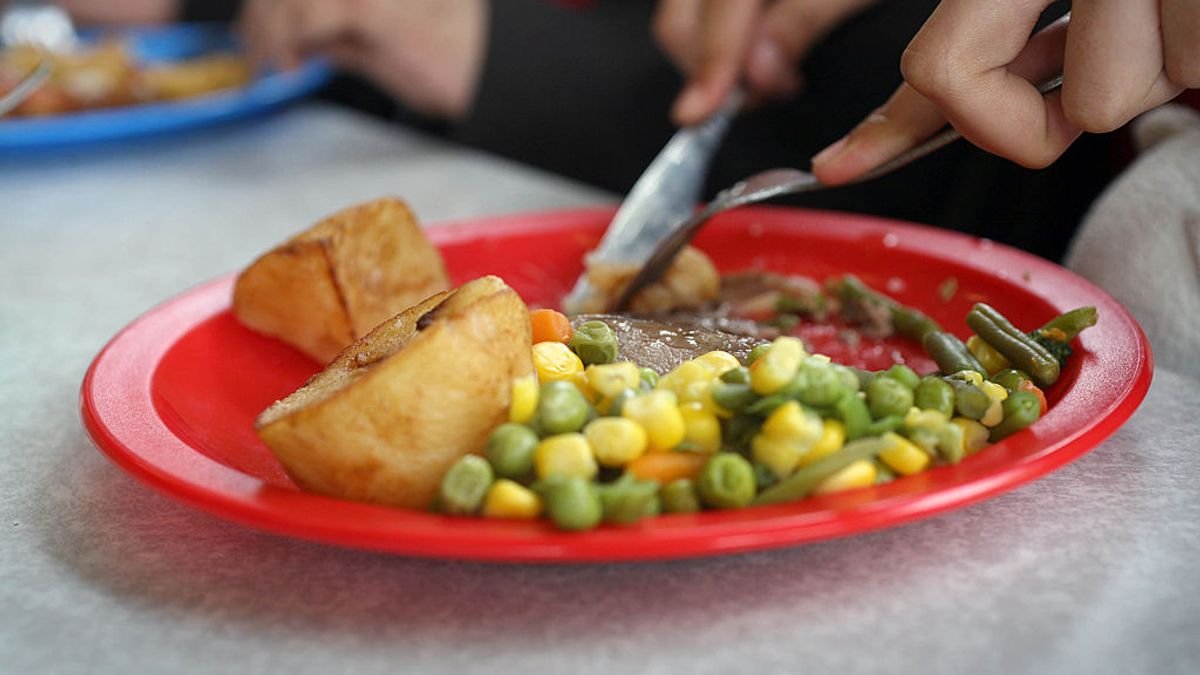
Schools are set to be required to make their menus available online for parents to easily access and know what their children are being served. The government is introducing new School Food Standards that emphasize the importance of food and farming education to help young individuals lead healthier lives.
Key measures include appointing a lead governor in every school responsible for food-related matters and making food policies and menus publicly accessible online. The curriculum will incorporate cooking and nutrition education, starting from primary school and extending through Key Stage 3, with a specific focus on food within the design and technology subject area.
Students will gain knowledge about food sources and the role of farmers in providing nutritious meals. The emphasis will be on preparing affordable and healthy savory dishes. These initiatives are part of the government’s response to the Farming Profitability Review led by Minette Batters, with the goal of addressing parental concerns about the lack of information regarding school meals.
Earlier initiatives have already seen significant changes in school dining, including restrictions on certain foods to combat childhood obesity and tooth decay. Deep-fried foods will be prohibited, and sugary treats limited, with desserts like ice cream and waffles only served once a week and required to contain at least 50% fruit.
The government has also introduced a 25-Year Farming Roadmap, a strategic plan to ensure food security, farm profitability, and environmental sustainability, supported by a substantial investment. Environment Secretary Emma Reynolds highlighted the importance of educating children about food sources, promoting healthy habits, and providing transparency in school meal choices for families.
By fostering an understanding of food and farming, these measures aim to encourage healthy decision-making both at school and at home, while showcasing the food industry as an exciting and fulfilling career path for future generations.

