

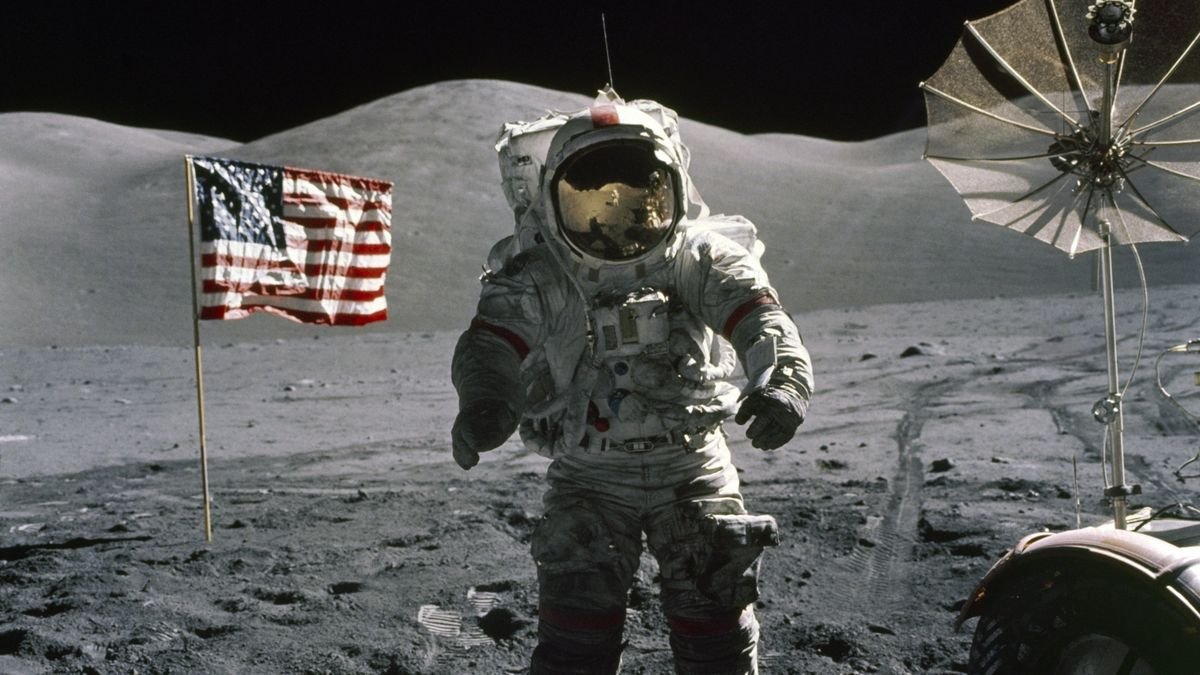
NASA is gearing up to present its strategy for establishing a permanent lunar base during an upcoming news briefing. The space agency defines the “Moon Base” initiative as a program aimed at facilitating continual human presence and enhancing scientific and commercial endeavors at the lunar South Pole.
This announcement follows NASA’s recent Artemis II moon mission, where four astronauts completed a successful 10-day crewed lunar flyby, marking the first human visit to the Moon since 1972. NASA administrator Jared Isaacman has revealed the agency’s three-phase Moon Base plan, alongside the launch of a dedicated website for the initiative.
The phases outlined on the website are as follows:
– Phase One (Now – 2029): Focus on experimentation and learning through a series of robotic missions to investigate the lunar South Pole and prepare for future astronaut expeditions.
– Phase Two (2029 – 2032): Transition to establishing semi-permanent infrastructure and commencing early habitation and logistical operations.
– Phase Three (2032 and beyond): Expand operations to achieve a sustainable human presence, with regular crew rotations and continuous surface activities, making living and working on the Moon a reality.
Isaacman emphasized the challenges of lunar conditions, highlighting extreme temperature variations and the lack of atmosphere for protection against radiation and meteorite impacts. He acknowledged the untouched regions in the permanently shaded craters as areas of significant interest due to their prolonged lack of sunlight.
The live streaming of NASA’s briefing on the Moon Base plans is available on NASA+ and the agency’s YouTube channel. The space agency will update on the progress of its lunar base initiative, focusing on enabling continuous human presence and fostering scientific and commercial activities at the lunar South Pole.
NASA’s commitment to lunar exploration is part of its larger vision for future missions to Mars, emphasizing scientific exploration and economic benefits. The news briefing will be held at 2pm EDT (7pm BST) at NASA’s headquarters in Washington as part of the agency’s efforts to advance long-term lunar exploration and infrastructure development.

