

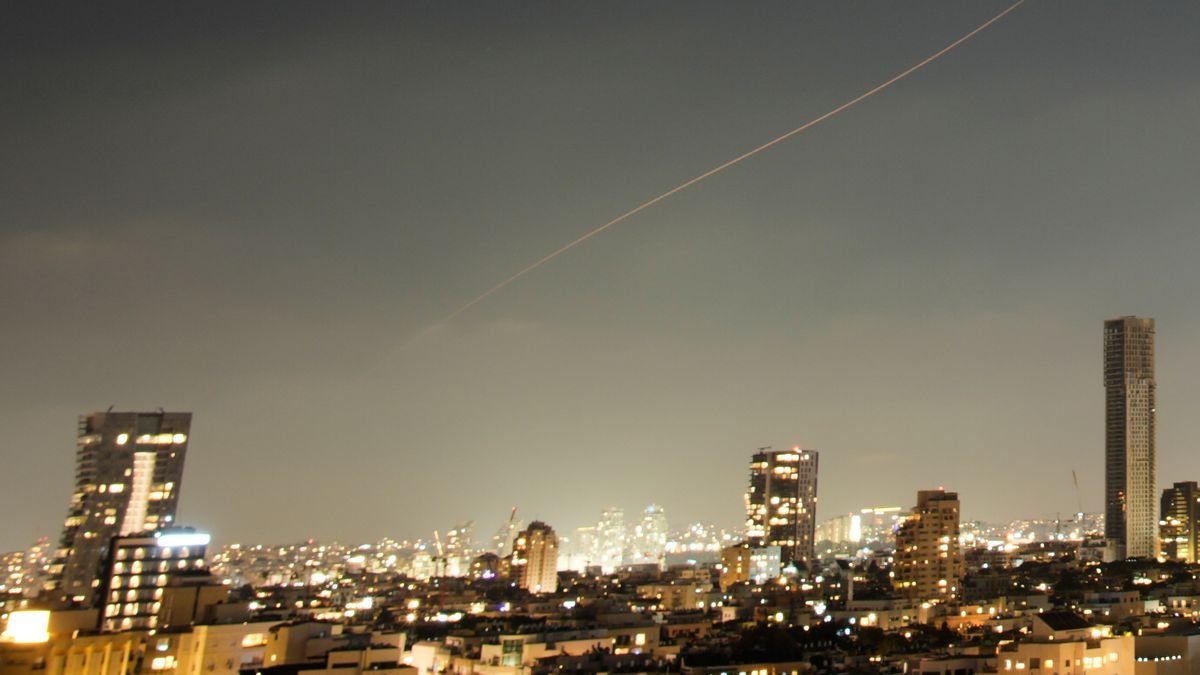
An escalation of missile confrontations between Iran and Israel has reignited tensions in the Middle East, creating a cycle of violence that appears increasingly challenging to reverse. Despite calls from US President Donald Trump to refrain from retaliating against Iran’s initial ballistic missile strikes on Sunday, Israel proceeded with air strikes on western and central Iran in response to attacks on its northern border, marking the first significant military actions in two months.
Israeli fighter jets carried out airstrikes on Iran’s defense systems, prompting Tehran to issue warnings of additional retaliatory attacks, specifically targeting Israeli strikes on Lebanon. Tehran had previously indicated that any airstrikes on Beirut would trigger a response directed at northern Israel, a threat that materialized with the Sunday attacks, disregarding Trump’s stance on Lebanon’s significance in the conflict.
A critical error in Trump’s strategy was evident in his collaboration with Israel while neglecting Lebanon, leading to conflicting objectives between the two forces, including regime change, dismantling Iran’s nuclear program, and weakening Tehran’s military capabilities. Despite Trump’s claims of decimating the Iranian military, none of the intended goals have been accomplished, resulting in a significant divergence in objectives.
The intertwined nature of the conflict involves Hezbollah, a key player focused on threatening Israel, making it imperative for Netanyahu to weaken the group. Iran’s conditions for any resolution with the US, including reopening the Strait of Hormuz, emphasize the necessity of a lasting peace agreement concerning Lebanon.
As tensions escalate, Trump seeks a resolution to reopen the Strait of Hormuz, a vital maritime passage crucial for the global economy, while Tehran maintains a strategic advantage. The recent escalation has disrupted peace talks, forcing a decision on Lebanon that could lead to either an all-out war involving Iran and Hezbollah, potentially drawing in the Gulf States, or a compromise involving a cessation of attacks on Lebanon, allowing Hezbollah to remain a threat, and reopening the Strait of Hormuz.
The strained relationship between Trump and Netanyahu, compounded by Iran’s possession of ballistic missiles and drones, further complicates the situation. Trump’s erratic social media behavior and aggressive rhetoric only exacerbate the conflict, emboldening Iran’s hardline stance and strengthening the IRGC’s position.
Despite the challenges posed by Iran’s regime, characterized by violence and terrorism, a nuanced approach is essential. The US’s current strategy of threats and missile diplomacy is proving ineffective, with Trump and his administration inadvertently escalating tensions in the region, moving away from the envisioned peaceful and prosperous future for the Middle East.

