
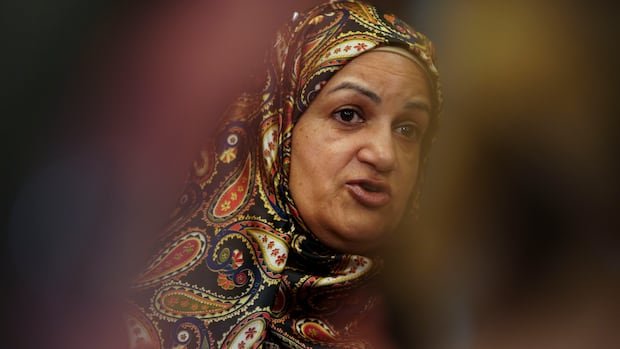
Liberal Member of Parliament Salma Zahid has expressed her deep concern over the increasing level of violent language being directed at MPs, including the leader of another political party. Zahid emphasized the urgent need to de-escalate the situation, stating that the current environment often sees online rhetoric spilling over into real-world violence.
In a distressing incident in August, an individual was caught on camera setting vehicles on fire outside Zahid’s residence in Scarborough, Toronto. The police have classified this incident as an arson attack. Following the unsettling event, Zahid has implemented round-the-clock security measures at her home, suspecting a connection between the incident and the surge in hostile rhetoric against her parliamentary colleagues.
Expressing the traumatic impact on her and her family, Zahid emphasized the importance of identifying the perpetrators and their motives behind such actions. Toronto Police have made an arrest in connection with the case, detaining a driver hired by an individual seen in security footage setting multiple cars ablaze with gasoline.
The situation has prompted Zahid to adapt to increased security measures, including the deployment of full-time security personnel outside her residence and a shift to appointment-only visits at her constituency office. She underscored her desire to remain an accessible MP while acknowledging the necessity of these security changes.
Additionally, Zahid highlighted her concerns over the backlash faced by NDP Leader Avi Lewis following his statements on Israel, warning that the language used by his critics could potentially endanger him. She urged for solidarity among MPs in condemning violent rhetoric and threats directed at any political figure.
These recent events are part of a broader issue highlighted by Zahid, who expressed apprehension over the rise of harmful rhetoric that could fuel discrimination and intolerance towards various communities. She emphasized the need for unity and inclusivity in politics to ensure that all individuals, regardless of background, can actively participate in democratic processes.
Zahid’s personal background as a British-born individual of Pakistani descent who wears a hijab informs her perspective on the impact of hateful rhetoric on minority representation in politics and the overall health of democratic discourse.
The ongoing challenges faced by MPs in Canada were underscored by former Liberal MP Pam Damoff’s decision not to seek re-election due to persistent threats, harassment, and misogyny. Damoff’s concerns reflect a broader trend of escalating harassment faced by parliamentarians, particularly exacerbated during the COVID-19 pandemic.
To address the security concerns of MPs, the House of Commons has introduced mobile panic buttons, known as “mobile duress alarms,” for immediate response to threats faced by MPs across Canada. Furthermore, security enhancements, including the installation of alarms and cameras in MPs’ offices and training on handling potentially violent situations, have been offered to ensure the safety of parliamentarians.

