
The stark statistics reveal a concerning reality: while about eight percent of Canadian children are Indigenous, over half of the youngsters in Canada’s child welfare system belong to the Indigenous community.
A legal battle is unfolding across the country questioning whether federal and provincial governments can be held liable for the disproportionate representation of Indigenous children in the off-reserve child welfare system.
The federal government and British Columbia’s top court have taken a stance against such lawsuits, with differing outcomes in various legal proceedings.
In a recent case involving plaintiffs identified as B.M. and C.A., the judge dismissed their lawsuit against Canada and Ontario, arguing that the overrepresentation of Indigenous children in the province’s system does not necessarily indicate wrongful state conduct but could reflect a high level of care.
However, this ruling has sparked concerns among Indigenous leaders, leading political organizations like the Anishinabek Nation, Chiefs of Ontario, and Nishnawbe Aski Nation to intervene in an ongoing appeal in Toronto.
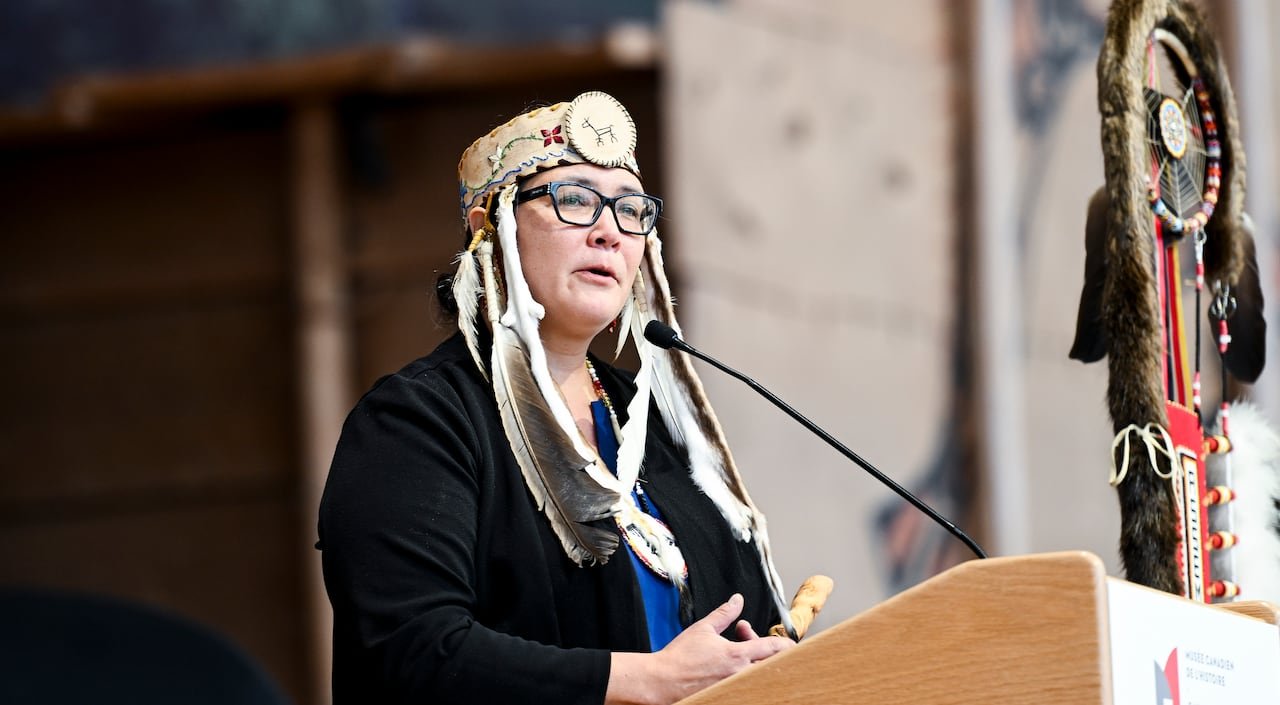
Linda Debassige, grand council chief of the Anishinabek Nation, criticized the court’s reasoning, likening it to a denial of historical injustices like the Indian residential school system.
Advocates have drawn parallels between the current situation, often referred to as the Millennium Scoop, and past atrocities like the residential schools and the Sixties Scoop.
The legal battle in Ontario is just one of many cases emerging post a $23.4 billion settlement between Ottawa and First Nations individuals impacted by on-reserve child welfare issues.
-
Chief says Canada blocking effort to take back control of child and family services
-
Carney government files 3rd court challenge in First Nations child welfare complaint
Canada argues that the claims against it are rooted in complex policy issues beyond the scope of judicial expertise, emphasizing that the lawsuit seeks to scrutinize the entire provincial child welfare system.
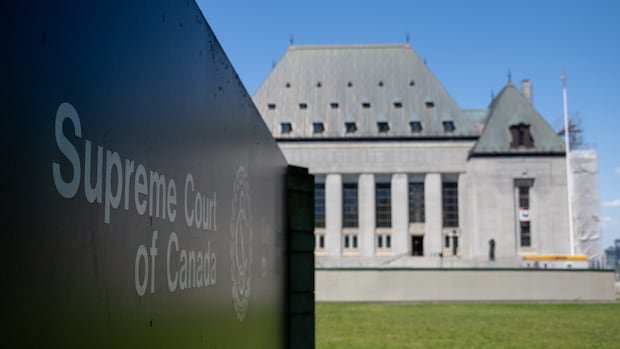
Despite the complexities, the legal battle continues with different outcomes in various provinces, indicating a need for intervention from Canada’s top court to address the concerning disparities in Indigenous child welfare.
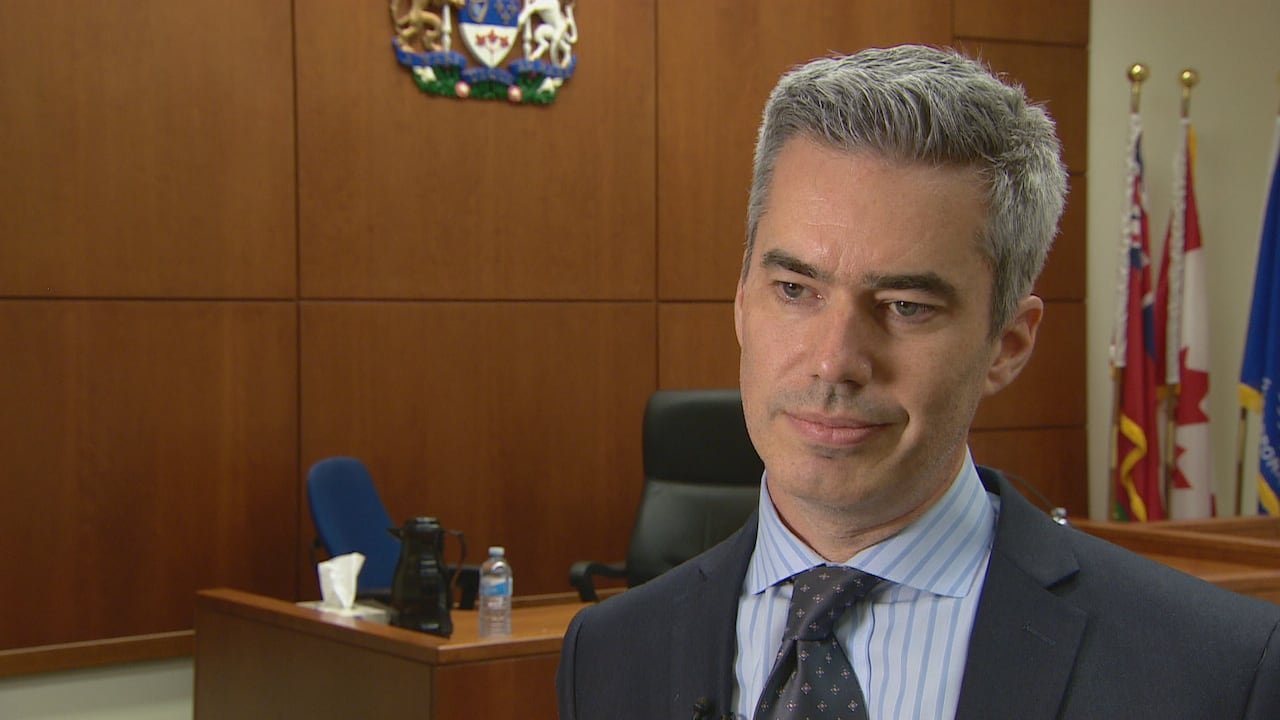
David Sterns of Sotos LLP emphasized the importance of Canada’s involvement in addressing Indigenous child welfare issues,

