On Tuesday, Iran launched drones targeting a U.S. military radar installation in Bahrain, coinciding with ongoing discussions between Iran and mediators from Oman and Qatar aimed at resolving the nearly nine-month conflict.
According to Iran’s Islamic Revolutionary Guards, the radar system struck was located at the Sheikh Isa base, which is situated in Bahrain, an Arab Gulf nation that hosts the U.S. Fifth Fleet.
Bahrain reported that it successfully intercepted the drones after issuing an air raid alert and advising residents to seek shelter. There were no immediate reports of injuries or damage.
U.S. Central Command confirmed in its statement that “multiple Iranian one-way attack drones launched by the [Islamic Revolutionary Guard Corps] were intercepted today without causing harm to U.S. equipment or American personnel.”
On Sunday, Bahrain also thwarted several Iranian aerial assaults, during which Tehran claimed to have targeted a U.S. radar facility at the Al-Rifaa helicopter base, citing hostile actions from the U.S.
In a separate development, the Iranian Foreign Ministry refuted a CNN report suggesting that Tehran was formulating plans to use a dirty bomb against senior officials of Donald Trump’s administration in Washington.
-
Analysis
Where Trump goes now on the big 3: tariffs, Iran war, immigration
-
Trump says he will hold off on fresh Iran strikes for now
Esmaeil Baqaei, spokesperson for Iran’s Foreign Ministry, stated on X, “The unfounded claims connecting Iran’s dams to missile bases are yet another instance of a malicious effort to create propaganda and security justifications for attacks on essential infrastructure of a nation.”
While attending the Association of Southeast Asian Nations summit in Manila, Trump was questioned about whether there was an “imminent threat” to Washington.
Trump responded, “If there is, they will pay a price the likes of which no country has ever paid before. We take it very seriously because they happen to be crazy.”
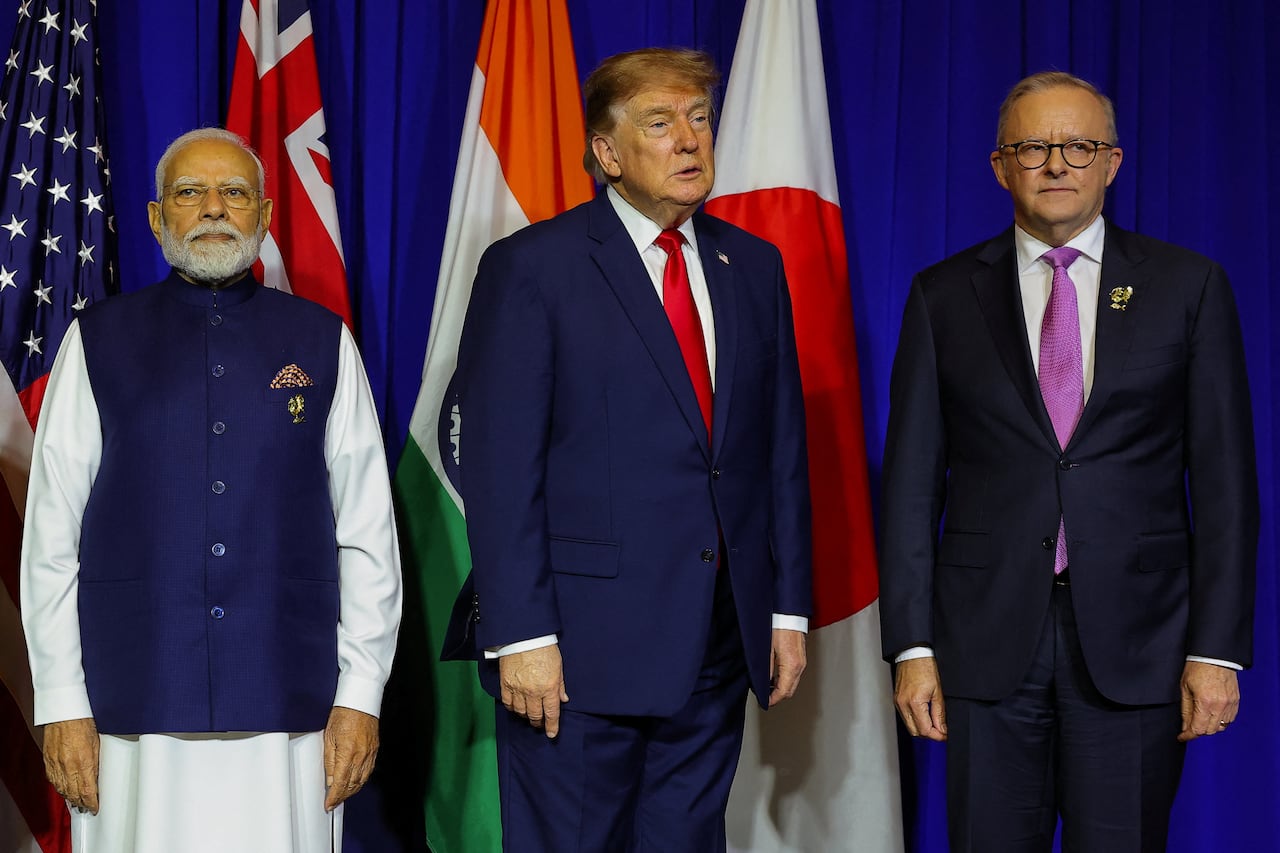
U.S. President Donald Trump, standing at the Manila summit next to Indian Prime Minister Narendra Modi, left, and Australian Prime Minister Anthony Albanese, right, cautioned Iran regarding the repercussions of any attack on U.S. soil. (Carlos Barria/Reuters)
Dirty bombs mix conventional explosives, like dynamite, with radioactive materials, which can spread due to the blast.
The impact of a dirty bomb, including potential casualties and damage, can vary based on several factors, such as weather conditions, the quantity and type of explosives used, and the radioactive materials involved. Most dirty bombs would not release sufficient radiation to result in fatalities or severe health issues.
Conflicting messages on the war’s status
The CNN report referenced seven U.S. officials who spoke on the condition of anonymity. It noted that some officials were skeptical about Iran’s capability to carry out such an attack. In response to an inquiry, a White House representative informed CNN that there were “no credible threats to the homeland.”
The conflict has reached a standstill, with Trump sending mixed signals. He mentioned last week that the war was “effectively over” and indicated he might refrain from attacking Iran unless provoked by Tehran or the Iran-backed Houthi group in Yemen.
Furthermore, Trump publicly directed Vice-President JD Vance to withdraw from negotiations with Iranian officials to concentrate on domestic matters.
Nonetheless, Trump has stated that he will uphold a U.S. naval blockade against Iran in response to Tehran’s ongoing disruptions in shipping through the Strait of Hormuz, a crucial route for global energy transportation and trade.
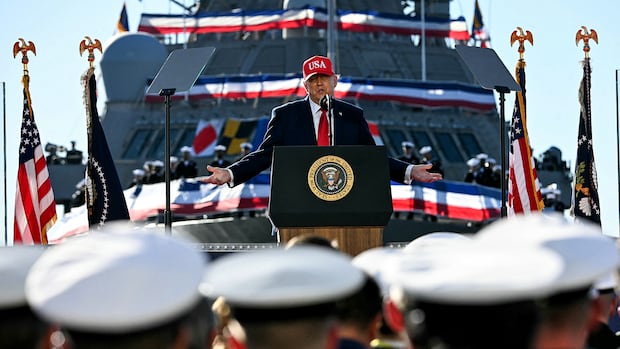
Iran responded defiantly after U.S. voters delivered a significant rebuke to President Donald Trump in the midterm elections. Analysts suggest that Iran’s negotiating stance has improved, but Trump still wields substantial influence and may opt to escalate the conflict.
Since the beginning of October, traffic through the Strait of Hormuz has averaged 10.5 million barrels of oil daily, as reported by Kpler, which monitors global shipping. Although this figure remains below the pre-war average of 13.5 million barrels per day, it shows a considerable increase from the lows experienced during the spring and late summer of the conflict.
The U.S. has incurred significant costs associated with its military involvement at sea, with expenses related to the Iran conflict exceeding $40 billion. The war’s effect on living costs has been cited as a contributing factor to the substantial losses suffered by Trump’s Republican Party in the recent midterm elections.
Shipping disruptions have jeopardized oil supplies and led to global economic challenges.
The frequency of attacks on tankers in the waterway has increased, which previously accounted for roughly one-fifth of the world’s energy supplies before the onset of the war and remains a contentious issue in negotiations for peace. Gulf exporters have been increasingly implementing alternative methods to maintain oil flows through Hormuz.
The United Kingdom’s Maritime Trade Operations agency reported that the crew of a tanker passing through the waterway was unaccounted for following an attack north of Khasab, Oman.
Iran’s Islamic Revolutionary Guards mentioned that a ship carrying liquefied natural gas and an oil tanker caught fire in the strait, although Reuters has not independently verified this claim.
On Tuesday, Iranian Foreign Minister Abbas Araqchi was visiting Oman, located on the opposite side of the Strait of Hormuz from Iran, and has acted as a mediator in the conflict that erupted following U.S. and Israeli strikes on Iran on February 28.
During his visit, Araqchi spoke with Omani Foreign Minister Badr Albusaidi about protecting maritime routes and ensuring the uninterrupted flow of global shipping and trade. The two diplomats also addressed the revitalization of dialogue channels to avert further escalation.
Qatar, another key mediator between Iran and the United States, announced that it would convene a meeting with Iranian officials on Tuesday to discuss current proposals as part of ongoing mediation efforts.