
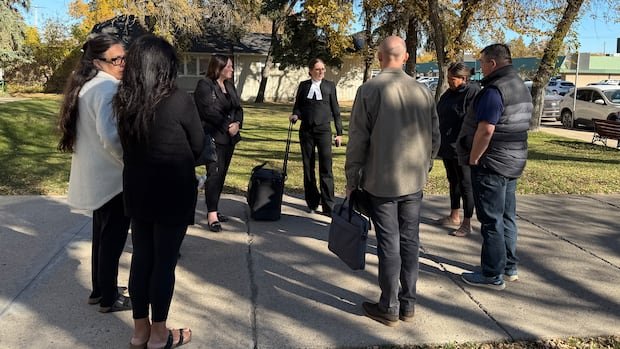
In a murder trial in Melfort, the debate centers around the issue of intent while intoxicated. The defense argues that being drunk affects the ability to form intent, while the prosecution maintains that intent remains even in such situations.
Cody Chubey, aged 38, is facing charges of first-degree murder for killing his partner, Danielle Dobersheck, in a motel room on March 10, 2024. During the closing arguments at the Melfort Court of King’s Bench, Chubey’s lawyer, Peter Abrametz, acknowledged his client’s responsibility for the death but contended that it should be considered manslaughter, not murder.
Chubey testified that he had no recollection of the incident due to alcohol-induced blackouts. Abrametz pointed out Chubey’s demeanor upon police arrival, suggesting he lacked awareness of guilt as he calmly explained the argument with his girlfriend.
The court heard details of the crime scene where Dobersheck was found dead in a pool of blood, with Chubey using a snow shovel during the attack. The defense argued that there was no intent to cause death.
The Crown countered by asserting that drunken intent equates to intent, emphasizing that Chubey’s claim of memory loss was unreliable. Evidence presented, including an audio recording capturing the assault, indicated Chubey’s intention to harm Dobersheck.
The prosecution further contended that Chubey unlawfully confined Dobersheck in the room before killing her, elevating the charge to first-degree murder. Testimonies from witnesses supported the assertion, with details of Chubey’s controlling behavior and actions leading up to the tragic event.
The judge, Justice Sean Sinclair, reserved his decision for a later date, with the final verdict scheduled for December 11.

