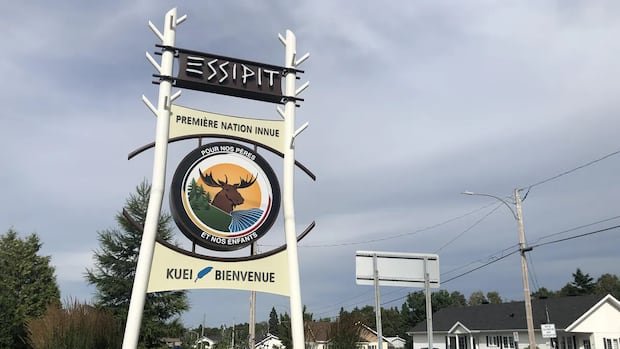
Guillaume St-Gelais Dubé emotionally recounted the distressing experience of losing his Indian status before a Senate committee. He described the impact as akin to having one’s identity forcibly taken away. St-Gelais Dubé is one of more than 700 members of the Innu First Nation of Essipit affected by the federal government’s decision to revoke their status.
During the Senate hearing, federal officials from Indigenous Services Canada provided insights into the decision that left the community in shock and uncertainty. Indian status holds significance as it grants access to housing land, fishing camps, and vital social benefits. The sudden loss of status has placed 700 individuals at risk of losing their homes and essential support, jeopardizing their very sense of self.
The individuals affected are descendants of Christine Kichera and Adelaïde Matshiragan, Innu women from the 1700s. Previous discriminatory provisions of the Indian Act had stripped Indigenous women of their status if they married non-Indigenous men, leading to generations raised without official recognition despite their cultural upbringing. Amendments in 2019 addressed this historical injustice, allowing descendants like St-Gelais Dubé to apply for and receive status.
However, in a surprising turn of events, a review initiated in 2024 resulted in the revocation of the status of Kichera, Matshiragan, and their descendants, citing insufficient historical evidence. The Essipit Innu band council has granted a grace period for affected individuals to address their status.
During the hearing, federal officials defended the decision, emphasizing the necessity to uphold the integrity of Indian status. The Indian Registrar, Claire Thie, highlighted the exhaustive process of investigation and the obligation to make corrective actions when discrepancies are identified. Legal challenges are underway to contest the decision in Federal Court, as community members face the daunting task of proving their eligibility based on historical documentation.
The ongoing legal battle underscores the complexity and emotional toll of the status revocation for the Innu community members, who are fighting to reclaim their identities and rights.