
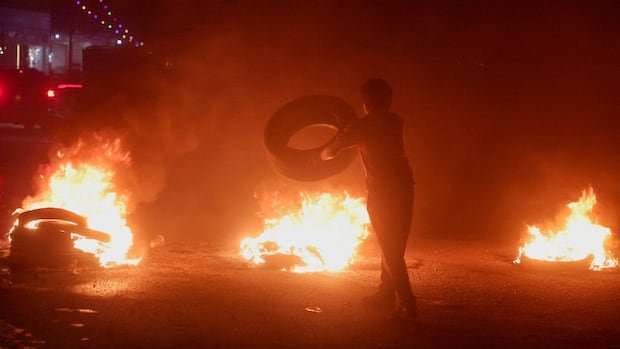
In Syria, a situation unfolded where hundreds of oil tanker trucks were left stuck on Wednesday due to ongoing protests globally spurred by escalating fuel costs. The truck blockade near Tal Tamr, Syria, was directly linked to a government plan aimed at transferring control of formerly autonomous Kurdish institutions to the country’s central government. Similarly, unrest in various countries like Guatemala and the Philippines has been exacerbated by surging global fuel prices.
Oil prices experienced a slight drop on Wednesday but remained above $100 US due to disruptions in Middle East oil supply chains. Prior to the U.S. and Israel’s strike on Iran in late February, oil prices ranged between $60 and $70 per barrel, depending on the type of crude. Diesel prices, affected by refining challenges and the ongoing Russia-Ukraine conflict, surged by approximately 60% since late February.
In Syria, the government raised gas prices by more than 25% and diesel prices by 40%, attributing the increase to global fuel price hikes caused by conflicts like the U.S.-Iran war and refinery repairs. This move triggered protests in various regions, including along the highway connecting Turkey and Aleppo, the largest city in Syria.
In Guatemala, a wave of protests against rising fuel prices saw participation from transport workers, taxi drivers, and Indigenous communities. By September 4, data from ACLED (Armed Conflict Location and Event Data) revealed 40 demonstrations across 27 cities in Guatemala, with fuel prices soaring due to Middle East conflicts and El Niño-induced droughts.
Recent events in Bolivia have seen labor unions, Indigenous groups, and supporters of former president Evo Morales staging protests and roadblocks due to fuel shortages and escalating costs. Demonstrations intensified last week as organized truckers and other groups engaged in violent actions, including road blockades, vehicle burnings, and clashes with law enforcement in various parts of the country, primarily in the capital city.
Moreover, protests related to fuel prices have emerged in several other countries, including Portugal, the Philippines, and France. In a recent incident, dozens of fishermen protested rising fuel prices and deteriorating working conditions by blocking an oil depot in Fos-sur-Mer, France, on Tuesday.
These global demonstrations highlight the widespread impact of fuel price increases on communities worldwide, sparking unrest and calls for government action to address the escalating cost of fuel.

