

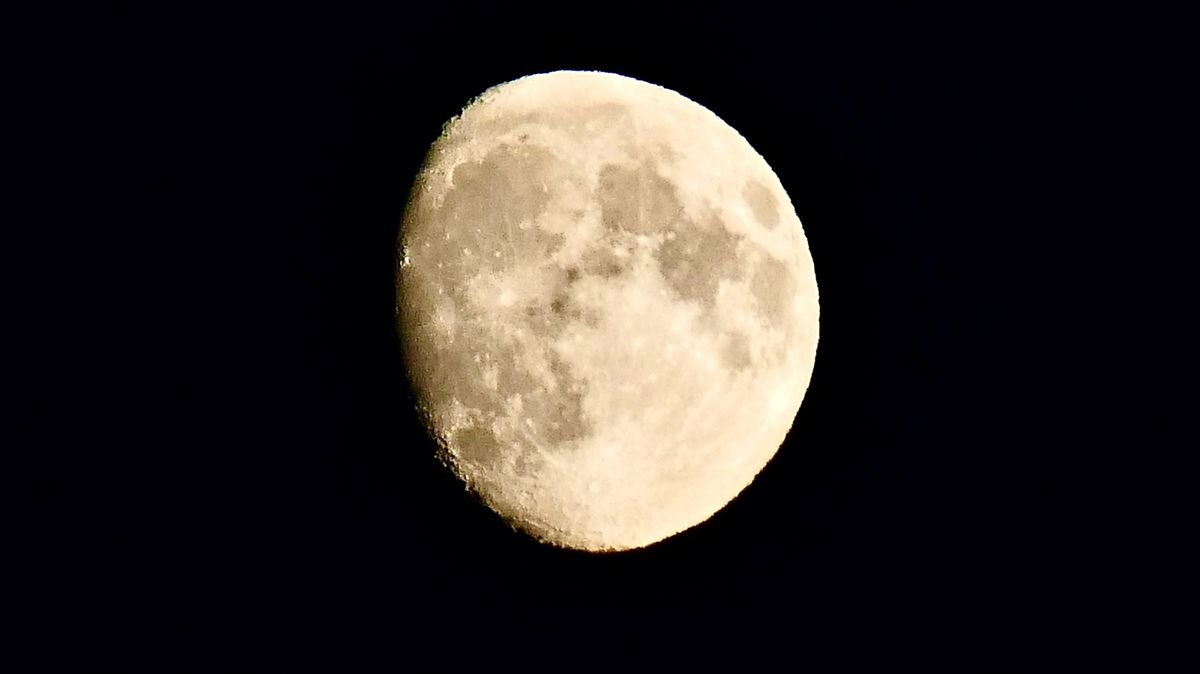
The upcoming Buck Moon is poised to dazzle viewers with its stunning display in the night sky this week. Known as the Thunder Moon or the Hay Moon, this Full Moon is a significant celestial event during the midsummer season. It holds cultural importance across various traditions worldwide, with Native Americans attributing its name to the regrowth of antlers on male deer during late summer.
Observers around the globe, including those in the UK, can anticipate the Buck Moon’s appearance shortly, coinciding with what is predicted to be a peak in summer temperatures. Despite not physically increasing in size or proximity to Earth, the Moon’s position on the horizon will create an illusion of magnified size, appearing yellow or orange depending on the observer’s location.
As the Buck Moon reaches its peak illumination in the UK around 3:36 pm BST, it will present a striking sight just below the horizon. This phenomenon is expected to be most pronounced in the Northern Hemisphere, offering viewers a unique visual experience. The Moon’s trajectory throughout the night will mirror that of the Sun, gradually ascending higher and potentially creating optical effects like halos in cloudy conditions.
To catch a glimpse of the Buck Moon at its peak, enthusiasts are advised to seek vantage points at elevated locations. Noah Petro from NASA emphasizes the importance of dark, unobstructed skies for optimal viewing. In the UK, prime locations for moon-watching include Troopers Hill Nature Reserve, Clifton Observatory, and various spots in Gloucestershire and Wiltshire.
Amidst a prolonged heatwave in the UK, Wednesday is expected to bring scorching temperatures reaching up to 33°C in some regions. While the dry, sunny weather offers ideal conditions for celestial observation, some areas may experience cloud cover or even showers, potentially impeding views of the Buck Moon. However, locations like the west country are likely to remain clear for optimal viewing opportunities.

