

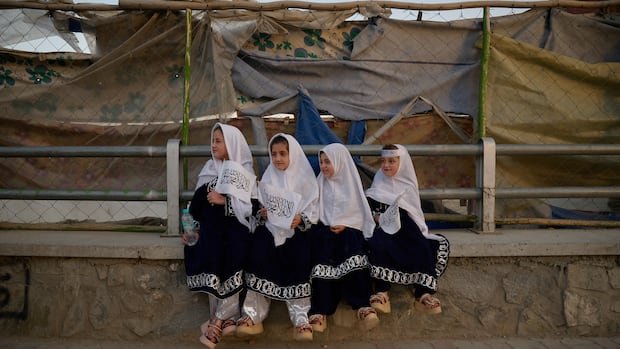
After the collapse of the Afghan government in August 2021, the Taliban took control of Afghanistan five years ago. Since then, Canada has welcomed over 60,000 Afghan refugees, including Farkhunda Hashimy, who arrived in Saskatoon with her family in 2023.
Hashimy, who was a high school student in Kabul when the Taliban seized power, reminisced about the freedoms she had before the regime change. She had the opportunity to attend high school and had aspirations for higher education and a career. However, after the Taliban takeover, all doors for women’s education and work opportunities were shut.
According to the United Nations, the Taliban has imposed over 100 decrees affecting the daily lives of women and girls in Afghanistan. Before the regime change, there were more than 100,000 women pursuing higher education in the country, but now girls are restricted from education beyond Grade 6.
Natasha Arnpriester, a senior legal counsel at the Open Society Justice Initiative, highlighted the stark contrast in women’s roles before and after the Taliban’s rule. She is preparing a case against the Taliban for the International Court of Justice.
Hashimy, who once dreamed of becoming an athlete and attending university, found her ambitions dashed by the Taliban’s restrictions. The prohibitions on women extend beyond education, restricting their movement, attire, and public speech.
In Canada, Hashimy found safety and opportunities that were denied to her in Afghanistan. She expressed gratitude to the 30 Birds Foundation, which facilitated their relocation to Saskatoon. Since her arrival, Hashimy has completed high school and is now studying urban planning at the University of Saskatchewan.
While she embraces her new life in Canada, she remains connected to the struggles of women and girls in Afghanistan under Taliban rule. Hashimy is driven to succeed so she can one day contribute to empowering women in her home country.

