

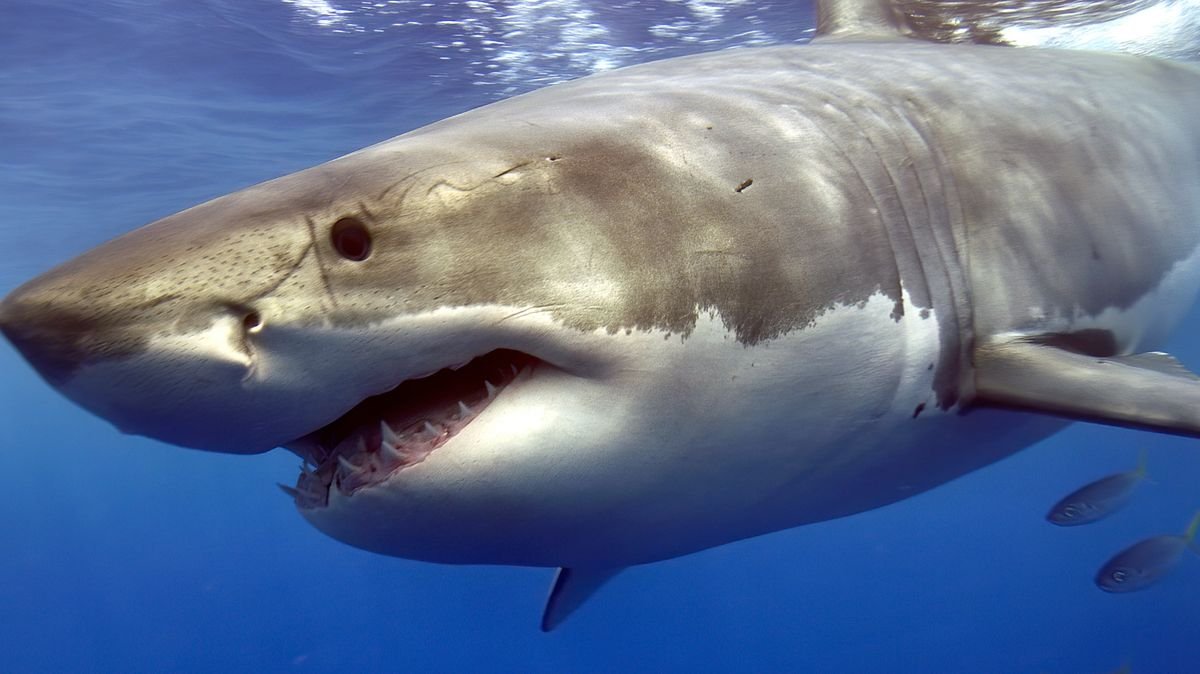
Experts warn that British beaches may soon see an increase in the presence of great white sharks due to a prolonged marine heatwave. The Met Office has forecasted a significant rise in sea temperatures, potentially leading to the migration of Mediterranean species like great white sharks and box jellyfish to UK waters.
Oceanographer Jim Dale highlighted the impact of warmer waters on marine life, indicating a potential decline in native species such as cod fish and the emergence of new, potentially hazardous species. The combination of sharks, jellyfish, toxic algal blooms, and contaminated sewage could pose risks to beachgoers in the future.
The ongoing heatwave has already affected northern regions of the UK, with temperatures expected to soar to 34°C. The UK Health Security Agency has issued amber heat health alerts for the Northest of England, anticipating high temperatures until Sunday.
Rising sea surface temperatures along the Welsh and English coasts have been reported, with some areas experiencing up to 5°C above average temperatures. This phenomenon could lead to an unprecedented marine heatwave, with potential consequences on local ecosystems.
Mr. Dale emphasized the likelihood of species displacement due to changing water temperatures, mentioning the shift from cod to jellyfish populations. The warmer coasts pose risks for families as toxic algal blooms thrive in such conditions, posing health hazards to beach visitors.
Moreover, the increased presence of great white sharks along British shores is a cause for concern, as these predators are drawn to new food sources in UK waters, potentially heightening the danger for beach users.
According to the Met Office, the marine heatwave, triggered by a recent heat dome, is the most intense heatwave experienced this year. The environmental impacts are expected to be significant, potentially leading to mass-mortality events for certain species.
While Scotland and northern England are likely to experience warmer temperatures, with the mercury reaching the mid-20s°C, areas like the Midlands and Southeast England could see temperatures rise to 34°C. The forecast indicates a temporary cooling trend in the south and Midlands on Saturday, followed by the risk of thunderstorms.
Deputy Chief Forecaster Tom Crabtree noted that while temperatures may ease in some regions, high pressure systems are expected to persist, maintaining warm conditions in the UK. The focus of the heatwave is likely to shift towards the southwest, with the possibility of continued warm weather and potential thunderstorms in certain areas.

