
WARNING: The content of this article includes information about experiences at residential schools.
Geraldine Shingoose shared that she had a heart attack while providing testimony about the mistreatment she endured at a residential school.
Shingoose, a Saulteaux Elder, spent nine years at the Muskowekwan Indian Residential School in Saskatchewan starting from 1962. However, it was only during her participation in the Independent Assessment Process (IAP) under the Indian Residential School Settlement Agreement that she revealed the full extent of the abuse she faced at the school.
“I had never spoken about it before. And when I finally did, it was incredibly difficult for me,” she expressed. “It had a physical impact on me.”
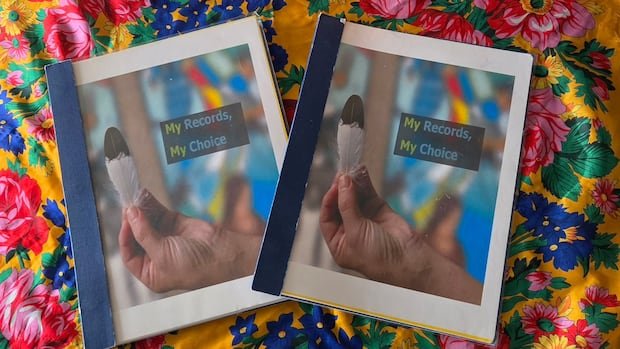
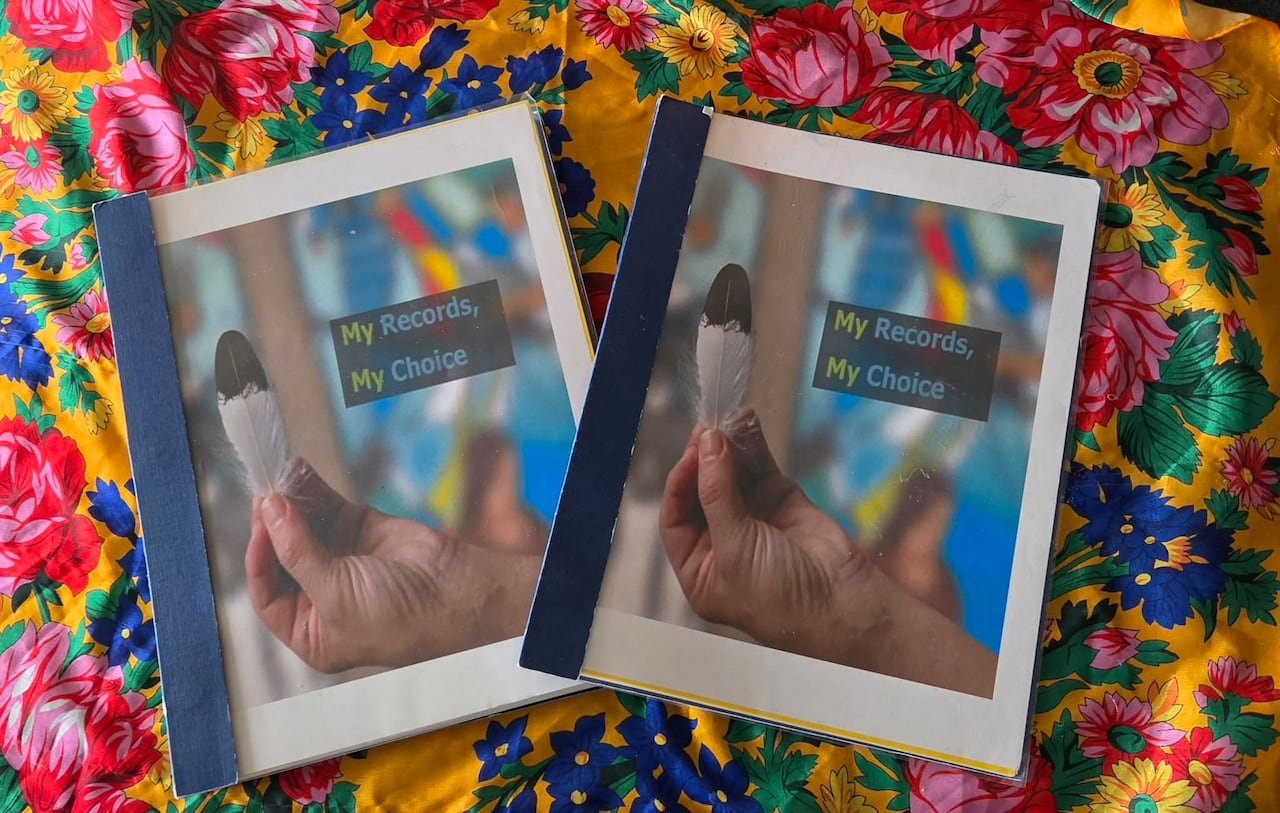
Later on, Shingoose discovered that testimonies could be erased. In a unanimous decision in 2017, the Supreme Court of Canada declared that the approximately 38,000 records of residential school testimonies gathered through the IAP would be deleted by 2027 unless individual survivors requested to keep their own records.
The top court emphasized that the compilation of accounts for independent compensation assessment was intended to be a “confidential and private process,” and that “claimants and alleged perpetrators relied on the confidentiality assurance.”
While some survivors and individuals involved in the IAP support the destruction of the records, citing the promise of confidentiality made to testifying survivors, others argue that the records hold significant historical value and are concerned that survivors have not been adequately informed about the impending deletion.
The news of the potential destruction came as a harsh blow to Shingoose.
“I thought, that’s my truth,” she remarked. “It felt like they’re eliminating my reality.”
‘As if my story carries no weight’: Shingoose
The IAP records encompass survivors’ testimonies detailing instances of sexual, physical, and emotional abuse, including transcripts, medical data, and other documentation.
Shingoose described the process of providing testimony during the IAP hearings as traumatic. Survivors recounted deeply personal and often horrifying experiences in vivid detail, only to face further scrutiny by IAP adjudicators, who sometimes appeared skeptical of the credibility of their accounts.
“I can’t even count how many times I broke down,” she shared.
After enduring that ordeal, Shingoose expressed deep distress upon learning that her testimony might be erased.
“It almost feels like my narrative holds no significance. Like it’s insignificant or unimportant to Canada,” she expressed.
Shingoose managed to retrieve her own record, a privilege available to any survivor who takes the necessary steps. However, she views the proposed deletion of the broader archive as another form of erasure.
“It’s like it’s going to become a secret once more,” she lamented.
For Shingoose, the IAP records represent an essential aspect of Canadian history that should be shared. She pointed out that some survivors who passed away before the Supreme Court ruling was announced “were not given the opportunity.”
As per the ruling, solely survivors themselves, not their offspring, other relatives, or loved ones, are permitted to access IAP testimonies.
“The deletion of records that some claimants would have preferred to retain is deemed a lesser injustice than the disclosure of records that most anticipated would remain private,” the ruling stated.

