

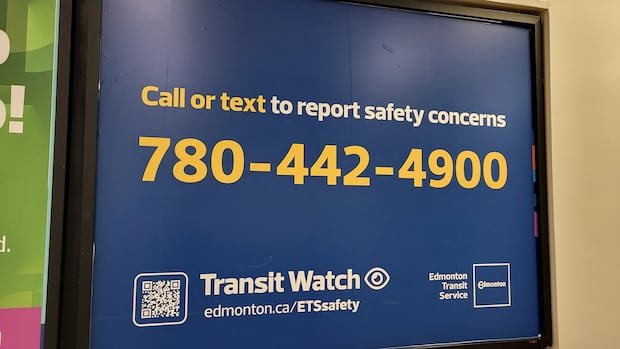
In the early hours of Monday, March 2, a commuter in Edmonton was physically attacked while traveling through Churchill Station en route to the Valley Line LRT. The assaulted individual later communicated to Transit Watch, Edmonton Transit Services’ safety reporting line, that they had been punched in the face. The rider mentioned delaying reporting the incident as their immediate priority was to leave the area and reach home.
On the same day, Transit Watch received multiple reports from riders concerning harassment, drug use, drug transactions, a fire ignited at a bus stop, and an individual brandishing a flame lighter within a transit center. Despite ongoing efforts by the City of Edmonton to enhance public transit safety by increasing the presence of peace officers and police, expanding outreach teams, and investing in cleaning and security upgrades, text messages submitted to the reporting line earlier this year indicate persistent worries among many riders about safety within the system.
CBC News obtained text message records sent to the line between mid-February and mid-March via an Access to Information Act request. These documents, comprising over 200 pages detailing incoming reports and responses from control center staff, reveal a stream of daily reports from various locations across the city.
Concerns highlighted in the reports predominantly revolved around drug usage and smoking in LRT stations, bus stops, and pedestrian walkways. Instances of witnessing individuals using meth, crack, and fentanyl on transit premises were reported, along with incidents of harassment, verbal abuse, and drug-induced confrontations. Other reported incidents included drug deals, discovery of drug-related items, public urination, disruptive behavior, and safety hazards like broken glass and blood pools within transit facilities.
One frequent transit user, Katarina Hamilton, disclosed sending messages to Transit Watch approximately once a month, citing instances of individuals obstructing entrances and setting fires, particularly during late night and early morning hours. Hamilton recounted an incident at Central Station where a violent altercation involving weapons took place, prompting her to alert Transit Watch and contact the police due to safety concerns for herself and nearby children.
Despite Edmonton Transit Service’s regular surveys assessing rider safety perceptions, which indicated a consistent 61% feeling of safety in 2025 compared to the previous year, efforts to alter these perceptions swiftly face challenges given the multifaceted nature of safety perceptions. The volume of text messages sent to Transit Watch typically increases during colder months, with a year-over-year rise in texts aligning with increased ridership and promotional activities promoting the safety reporting line.
Data from the Edmonton Police Service showed a rise in police responses to violent incidents at LRT and transit center locations from 2024 to 2025, although calls in the current year have been lower than the previous year. To bolster rider confidence in transit safety, ETS is rolling out several initiatives, including the addition of 30 peace officers and an eighth community outreach team. These measures are part of broader strategies to enhance safety perceptions, such as enabling cellular connectivity in LRT tunnels, expanding rider engagement, offering travel training, and making infrastructure enhancements at stations.
City council members, such as Coun. Anne Stevenson, emphasized the ongoing focus on transit safety, with initiatives like pop-up events at downtown LRT stations and the potential introduction of safety attendants. Addressing fundamental social issues contributing to disorder remains a challenge, although recent provincial funding announcements for housing and addiction treatment were welcomed as steps toward comprehensive solutions.
Insights shared by transit expert David Cooper underscore the broader challenge faced by cities across North America in addressing public transit safety concerns, particularly related to drug use. While Edmonton and other cities have taken steps like increased enforcement and infrastructure upgrades, sustained support from provincial and federal partners is crucial for lasting impact. The need for ongoing commitments beyond one-time announcements was emphasized, signaling the persistent uphill battle cities face in ensuring public transit safety for all passengers.