
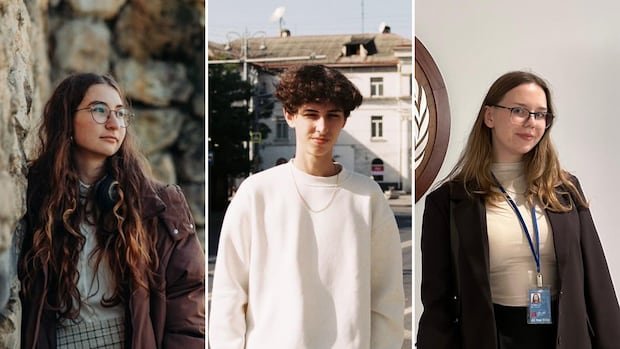
Growing up in Crimea under Russian occupation, Matvii Chos was concerned about being conscripted into the Russian army once he turned 18. Chos, now 19, opted to enroll at a Moscow university to avoid conscription and later fled Russia with the aid of a Ukrainian non-profit organization.
According to Chos, the process of indoctrination and militarization began early on, with special cadet classes introduced in 2020 when he was in sixth grade. These classes involved training in various military skills like weapon handling, marching, and tactical medicine, with the aim of grooming future soldiers to fight against fellow Ukrainians.
Chos criticized Russia’s tactics, labeling them as a strategy of occupying territories, abducting children, and transforming them into Russian soldiers. He emphasized the loss of childhood experienced by children in occupied territories due to such coercive practices.
Similarly, other Ukrainian youths, like Daria Fursova, recounted the imposition of Russian culture and values on them, noting the sudden shift in their education system following Crimea’s annexation in 2014. Fursova highlighted the replacement of Ukrainian language and literature with Russian subjects in schools, emphasizing the prohibition of speaking Ukrainian and Crimean Tatar.
The international community has expressed deep concern over Russia’s forced separation of thousands of Ukrainian children from their families and their transfer to Russian territory. Ukrainian President Volodymyr Zelenskyy condemned these actions as “mass kidnapping,” amounting to genocide. Reports have surfaced detailing abuses suffered by these children while in Russian custody, including isolation and coerced adoption.
Efforts have been made to address this issue, with charges brought against Russian President Vladimir Putin and Children’s Rights Commissioner Maria Lvova-Belova at the International Criminal Court. Canada has pledged significant support to organizations working to repatriate abducted Ukrainian children and provide them with psychological assistance for the trauma they have endured.
Mykola Kuleba, founder of Save Ukraine, a charity involved in rescuing kidnapped children, emphasized the urgency of the situation, with many young Ukrainians potentially being coerced into joining the Russian army. Kuleba stressed the children’s desire to return to a normal life with their families and the importance of international support in achieving justice for these victims.
Chos, who managed to escape with Save Ukraine’s assistance, together with his now-wife Daria Tomashova, shared their testimonies at an international conference in Toronto, highlighting the plight of children still trapped in such circumstances. They underscored the urgent need for action to bring these children back to safety and restore their lives to normalcy.

