

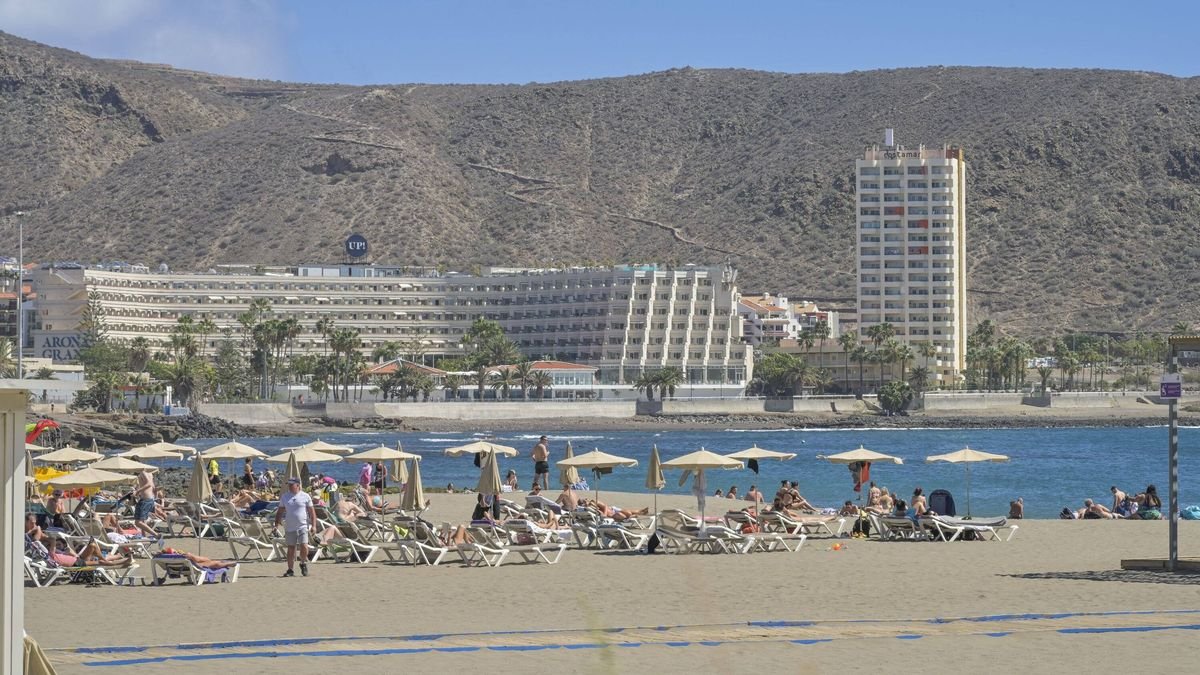
Residents of the Canary Islands have been expressing growing frustration over the surge in tourism that the Spanish archipelago has been experiencing. They argue that outdated regulations favor property speculators buying land for hotels and holiday accommodations, leading to minimal taxes being paid. This has resulted in Canarians facing challenges in finding affordable housing and earning the lowest average salaries in Spain.
Moreover, concerns have been raised about coastal erosion endangering the Canary Islands. According to a report by SOS Costas Canarias, approximately 21⁄2 miles of coastline disappear each year, with various structures like hotels, housing estates, and marinas being built on this lost territory. The report highlights that over 18% of the territory within 500 meters from the sea across the islands has already been developed, with some areas exceeding 40%, notably in Lanzarote and Gran Canaria.
The Canary Islands allocate nearly 20% of living space to tourism, significantly higher than the 4% on the Spanish mainland. Several municipalities on the islands have more tourist beds than permanent residents, indicating the heavy reliance on tourism. Infrastructure like golf courses and desalination plants, which are not reflected in hotel occupancy data, also contribute to the environmental challenges faced by the islands.
Experts emphasize the need for better protection of the Canary Islands’ natural habitats, describing them as a biodiversity jewel in the Atlantic. However, the rapid development for tourism purposes is encroaching on these habitats, leading to irreversible landscape changes. Concerns are also raised about resource management, waste disposal, and the environmental impacts of continuous development.
Calls have been made for an immediate halt to further coastal development and a review of existing planning permissions to safeguard the islands’ natural beauty. The ongoing construction not only threatens the unique ecosystems and scenic landscapes that attract tourists but also increases the risk of local flooding, affecting thousands of inhabitants. Critics argue that the current institutional framework lacks adequate safeguards to protect public interests in urban planning and environmental conservation, resulting in an economy centered around land exploitation and speculation.

