

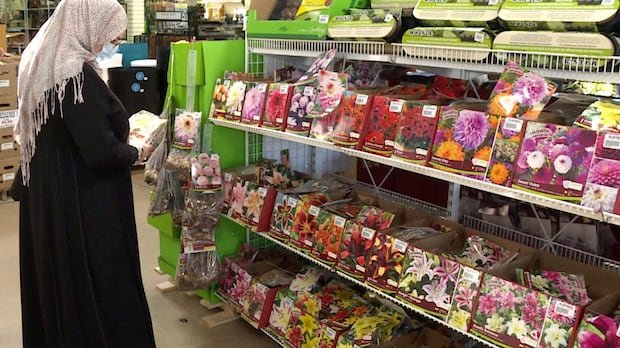
Canadian municipalities are taking steps to prevent the sale of invasive plants at local garden centers, urging the Canadian government to establish a unified approach for regulating the horticultural industry. Invasive plants pose a significant threat to biodiversity nationwide, prompting local governments to address gaps in the current regulatory framework, which varies across jurisdictions. Canada aims to reduce the introduction and establishment of known invasive species by at least 50 percent by 2030.
The Canadian Coalition for Invasive Plant Regulation (CCIPR) advocates for the creation of a national regulatory body overseeing the horticultural sector and the development of a centralized database identifying invasive plant species and associated risks in different regions. CCIPR co-founder Cathy Kavassalis emphasized the importance of informing the public about potential harm posed by invasive plants, suggesting that similar warnings are provided for other products.
While the Canadian Food Inspection Agency regulates some invasive plants, individual provinces and territories also have their own legislation to address invasive species. Efforts to restrict the sale of invasive plants have been seen in various cities, such as Nanaimo and Surrey, which have passed motions to limit sales based on lists maintained by relevant organizations. London, Ontario, has proposed requiring retailers to provide information about invasive plants and animals to customers at the point of sale.
Advocates like Kavassalis stress the need for a comprehensive national strategy to tackle the issue, highlighting the role of the horticultural trade in introducing invasive species. Research indicates that ornamental non-native plants are a primary pathway for invasive plant introductions, with nurseries potentially contributing a significant percentage of these introductions.
Jim Hole, a horticulture expert, mentioned that most garden centers support efforts to curb the spread of invasive plants and are willing to adjust their offerings to align with regulations. Implementing stricter regulations, conducting thorough research, and enhancing public education are seen as crucial steps to support greenhouse owners and farmers in managing unwanted plants effectively.
Lorraine Johnson, a native plant advocate, emphasized the impact of nurseries in promoting non-native plants that can contribute to biodiversity loss. She highlighted the importance of native plant gardens in supporting pollinators and ecosystems. Kavassalis suggested that regulating garden centers can help raise awareness among gardeners about the significance of selecting plants that contribute positively to the environment.

