The Canadian government has advised its embassy and consulate officials to refrain from associating with U.S. midterm candidates, as reported by a knowledgeable source. This directive, outlined in two recent notices, aims to prevent any perception of interference in U.S. elections amid allegations made by Trump administration officials.
Global Affairs Canada, characterizing these instructions as standard procedure, emphasized the importance of diplomatic staff exercising caution on social media, abstaining from endorsing any candidates, and avoiding photo opportunities with political figures. The government’s guidance to its diplomatic personnel includes reminders to limit public engagements and stakeholder interactions during election periods in their respective host countries.
In response to the U.S. Embassy’s allegations of potential interference, which mentioned Canada’s consul general in Boston appearing at an event with Democratic candidates, Global Affairs Canada underlined its commitment to adhering to diplomatic norms and non-partisan conduct.
The U.S. Embassy’s recent communication also referenced instances involving Canadian officials, including Industry Minister Mélanie Joly, raising concerns about potential meddling in American electoral affairs. Joly refuted these claims, emphasizing that her interactions with both Republican and Democratic representatives during her U.S. visits were aimed at fostering economic ties and attracting investments.
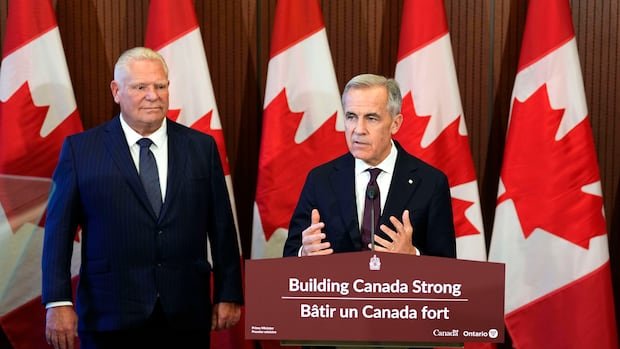
During a news conference, Prime Minister Mark Carney and Ontario Premier Doug Ford denied any attempts to influence U.S. elections, with Carney highlighting Canada’s responses to trade actions and Ford stressing their focus on safeguarding the Canadian economy and community interests.
As the trade war between Canada and the U.S. emerges as a critical issue ahead of the midterms, Republican candidates in border states like Michigan and Maine are feeling pressure to address the impact of tariffs. Candidates such as Mike Rogers and Senator Susan Collins have publicly expressed concerns about the tariff disputes and emphasized the importance of resolving trade tensions with Canada.
The current political climate underscores the significance of maintaining diplomatic protocols and non-interference in foreign electoral processes to ensure transparency and trust between nations.